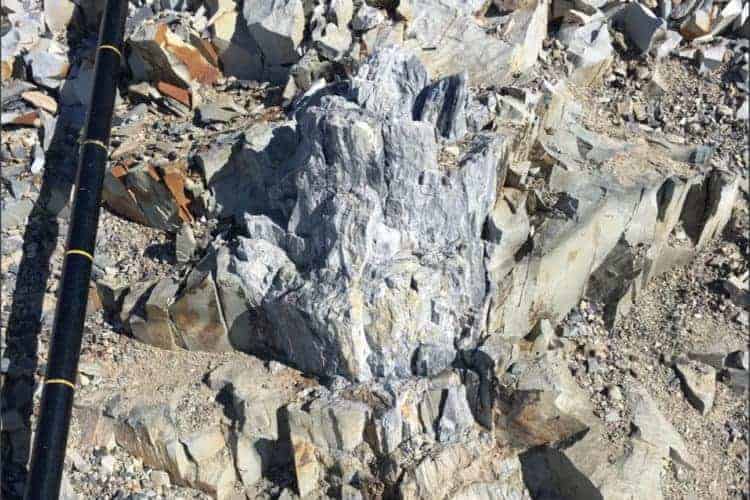
An expedition to Antarctica uncovered an ancient forest dating to approximately 260 million years ago. This fossilised forest provides evidence that the now-frozen continent was once covered by forests. Antarctica is commonly associated with snow and ice […]
Blog
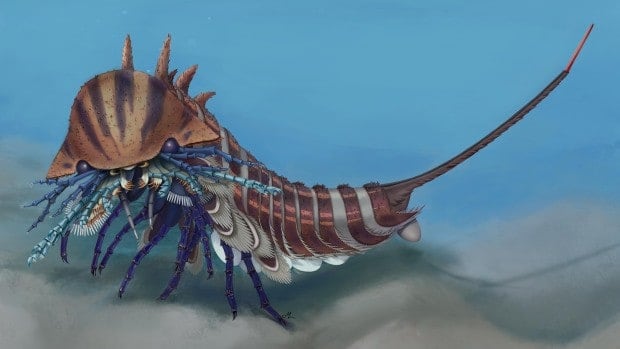
The Burgess Shale in British Columbia, Canada, preserves numerous fossils that document the evolution of life on Earth. Among them is Habelia optata, a 508-million-year-old relative of early chelicerates. This armoured predator had five pairs of […]
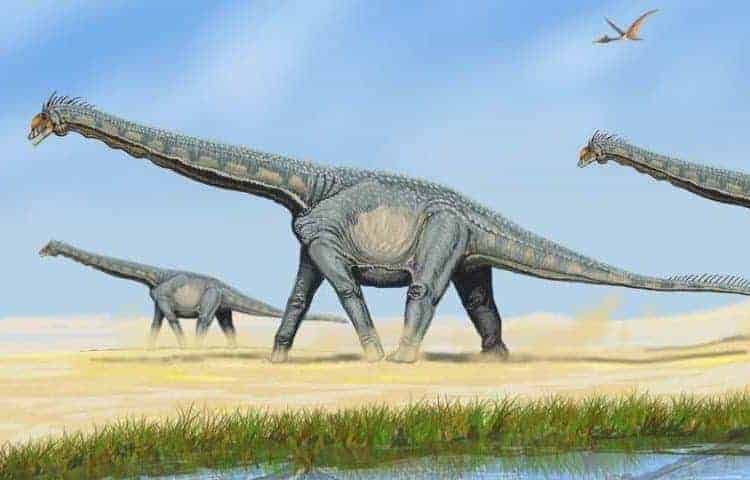
The extinction of non-avian dinosaurs enabled small mammals to diversify, eventually leading to the emergence of humans. However, the disappearance of these large animals also affected the ecosystems they had inhabited for tens of millions of years. Although observing a living dinosaur would be fascinating […]

Researchers discovered an approximately 120-million-year-old assemblage of 25 dinosaur specimens in north-eastern China. One larger individual may have acted as a caregiver to the juveniles. Like other organisms, dinosaurs […]
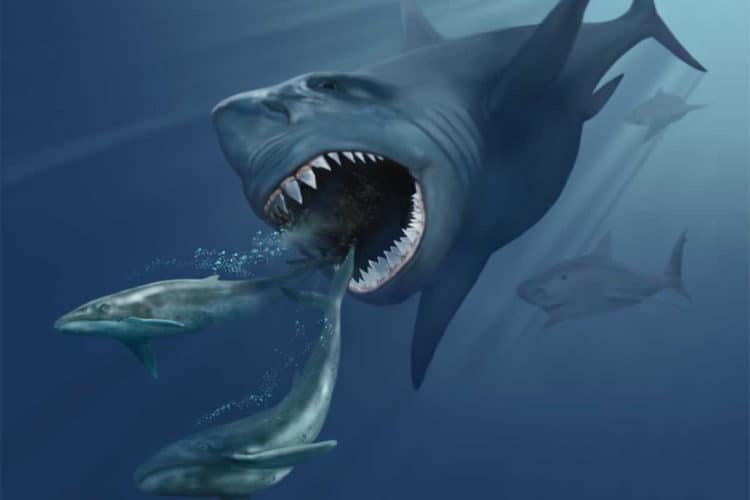
Megalodon was the largest shark known to have existed. It appeared approximately 23 million years ago during the Miocene and could reach 18 metres in length. It was among the largest and most powerful vertebrate predators until approximately 2.6 million years ago, when it […]
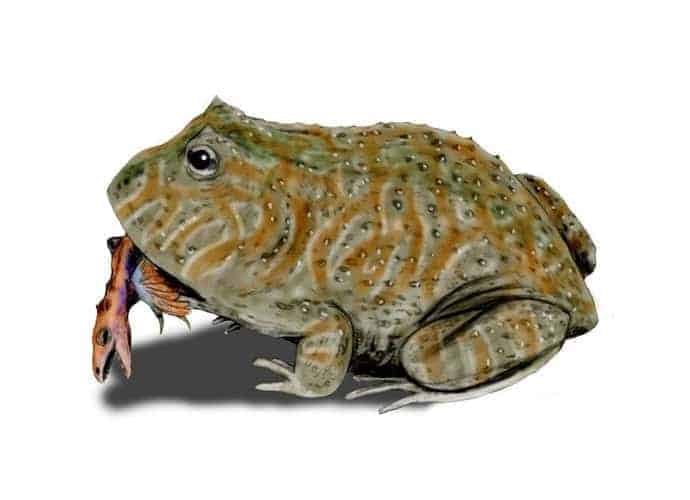
Approximately 70 million years ago, during the Cretaceous, the giant frog Beelzebufo ampinga could reach 41 cm in length. Its powerful bite may have enabled it to prey on small dinosaurs. Dinosaurs were not the only large animals living at that time […]
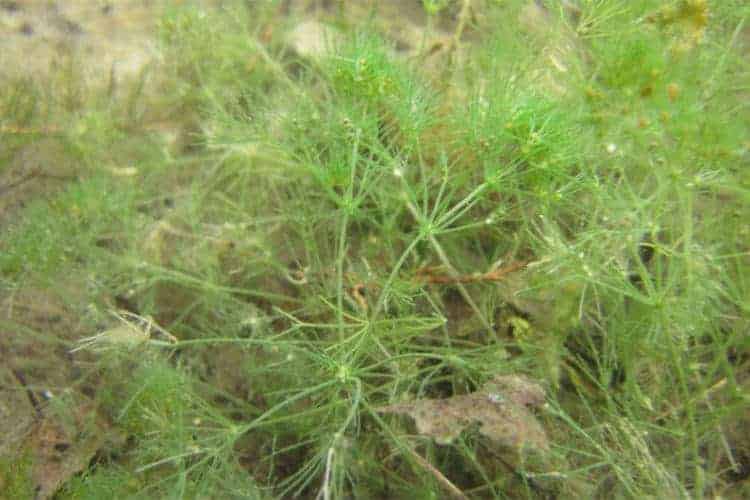
Scientists rediscovered Lychnothamnus barbatus in North America, an algal species with a fossil record extending to the Cretaceous. Although it had been considered extinct in the region, its rediscovery suggests that it may have persisted there. Although the present-day world […]
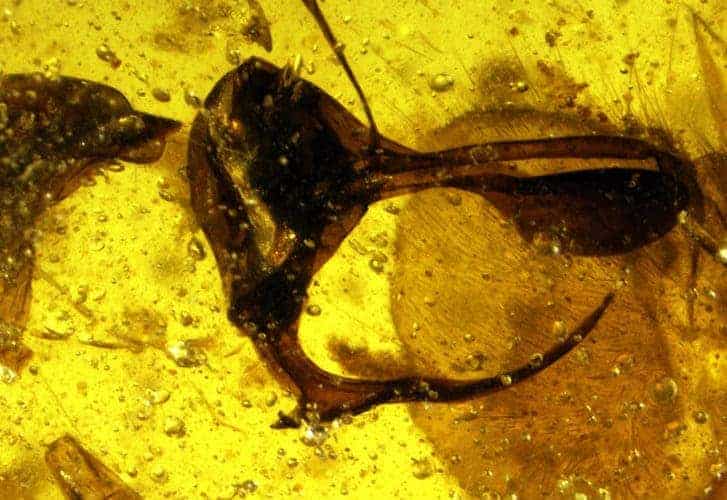
A new species of “hell ant” was discovered in 98-million-year-old amber from Myanmar, formerly Burma. Linguamyrmex vladi possessed powerful jaws and a sharp, metal-reinforced horn, which it may have used to pierce prey and feed on haemolymph. The amber deposits […]
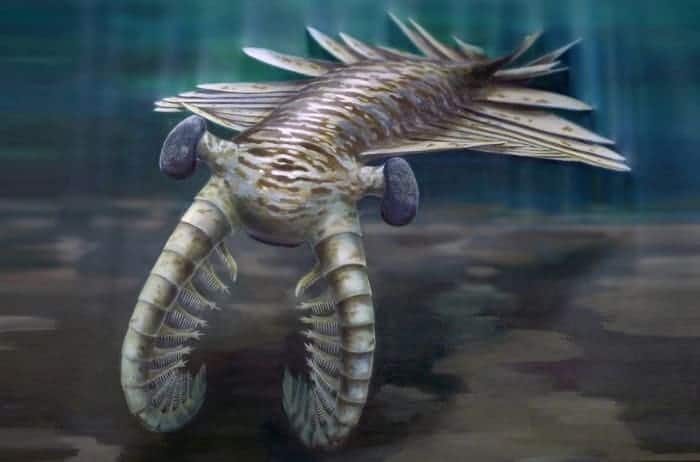
Approximately 515 million years ago, during the Cambrian, Anomalocaris was a major marine predator. This early relative of modern arthropods could reach one metre in length and is considered one of the earliest known apex predators. The Cambrian saw the emergence of diverse and unusual […]
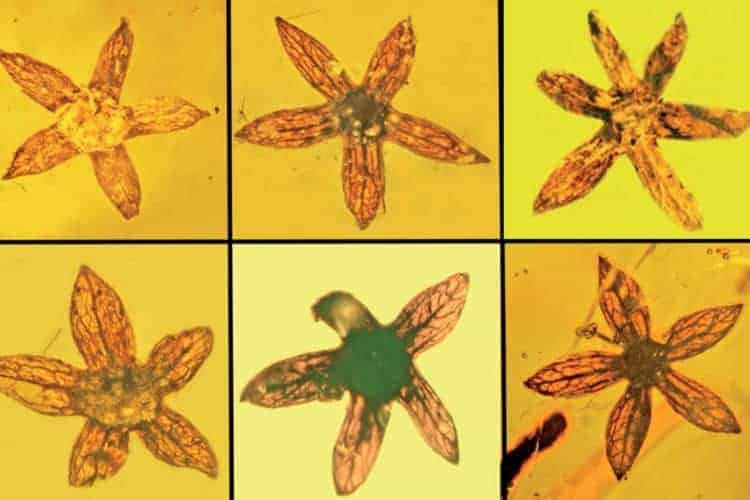
A piece of approximately 100-million-year-old amber from Myanmar, studied by Professor George Poinar Jr., preserved flowers from the Cretaceous. These specimens provide early evidence of sexual reproduction in flowering plants. A […]
