Dinosaur teeth, along with the teeth of other prehistoric reptiles, are undoubtedly among the best-known and most popular fossils with the general public. From iconic species such as Tyrannosaurus rex to the teeth of Triceratops, sauropods, mosasaurs, and pterosaurs, these fossils provide a fascinating glimpse into life millions of years ago. They also offer valuable scientific information that helps paleontologists identify, classify, and better understand the remarkable animals that once dominated the Earth.
General characteristics
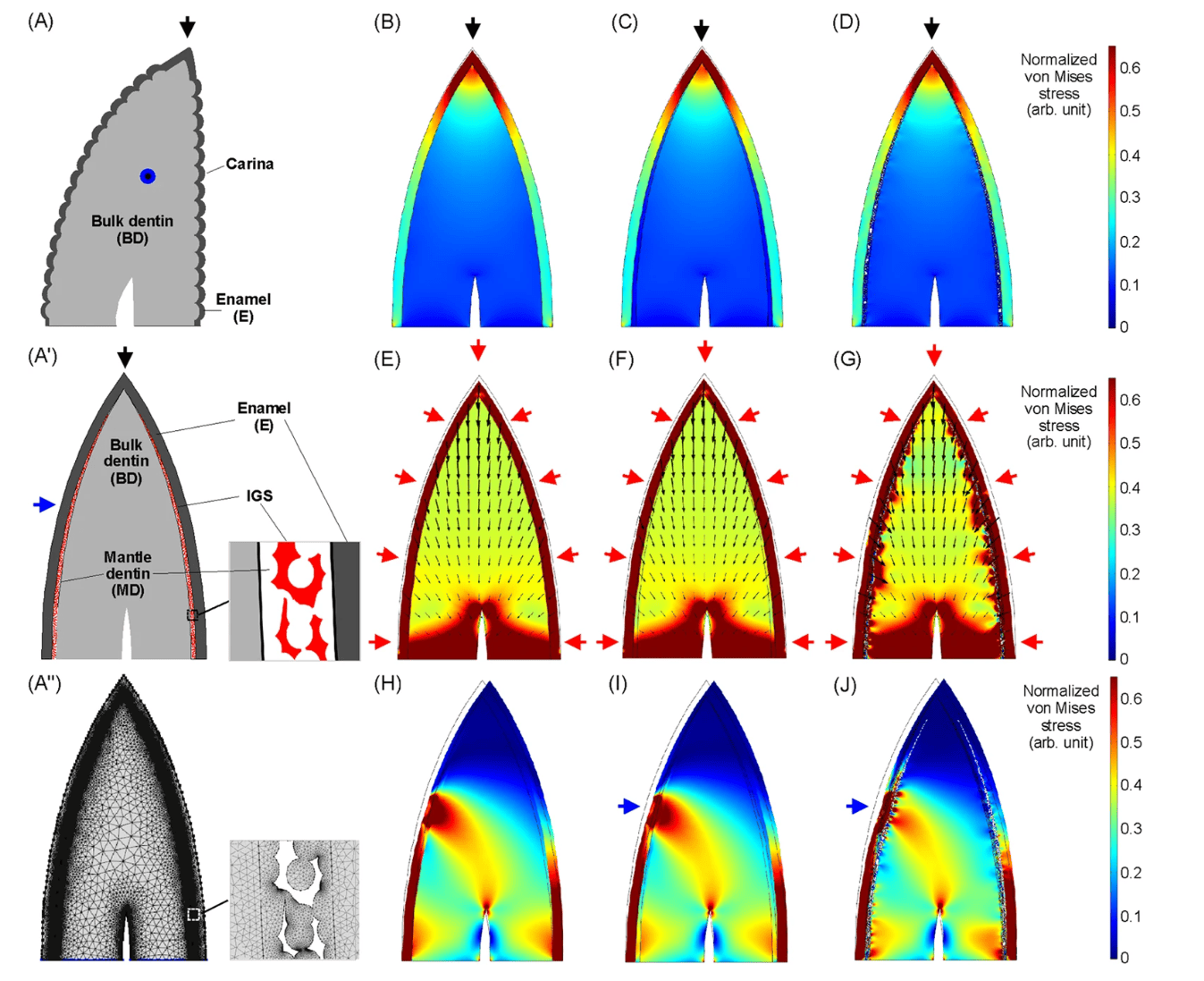
Dinosaur teeth have a physical structure similar to that of modern vertebrates, as demonstrated by the abundant fossil remains preserved through geological time. Their structure comprises two principal layers: an outer layer of enamel and an inner layer of dentine.
Tooth morphology and the stable isotopes preserved within teeth can help distinguish dinosaur species and provide information about their habitats, diets and behaviours, including migration and sedentary lifestyles.
Chemical characteristics
The original chemical composition of dinosaur teeth consists primarily of hydroxyapatite (hydrated calcium phosphate). During fossilisation, mineralisation and lithification alter this material, producing mineral forms and structures characteristic of the environment in which the teeth were preserved.
Comparison with modern vertebrates suggests that dinosaur teeth probably did not display the pigmentation seen in their fossils during the animals’ lifetimes. Changes in their original colour result from minerals present in the environment where fossilisation occurred. Minerals contributing to this pigmentation include calcite (calcium carbonate), dolomite (magnesium carbonate), pyrite and marcasite (iron sulphides), limonite (hydrated iron oxide), hematite (iron oxide), and other less common minerals.
The replacement of minerals in the original tooth structure, producing the structures observed in fossils today, is termed mineralisation and is primarily associated with fluids present in the fossilisation environment. High concentrations of different chemical elements can strongly influence fossil morphology and composition. New mineral components may be added through cementation, or the original minerals may be completely replaced by new ones through neomorphism.
Tooth types by species or genus
Tyrannosaurus rex
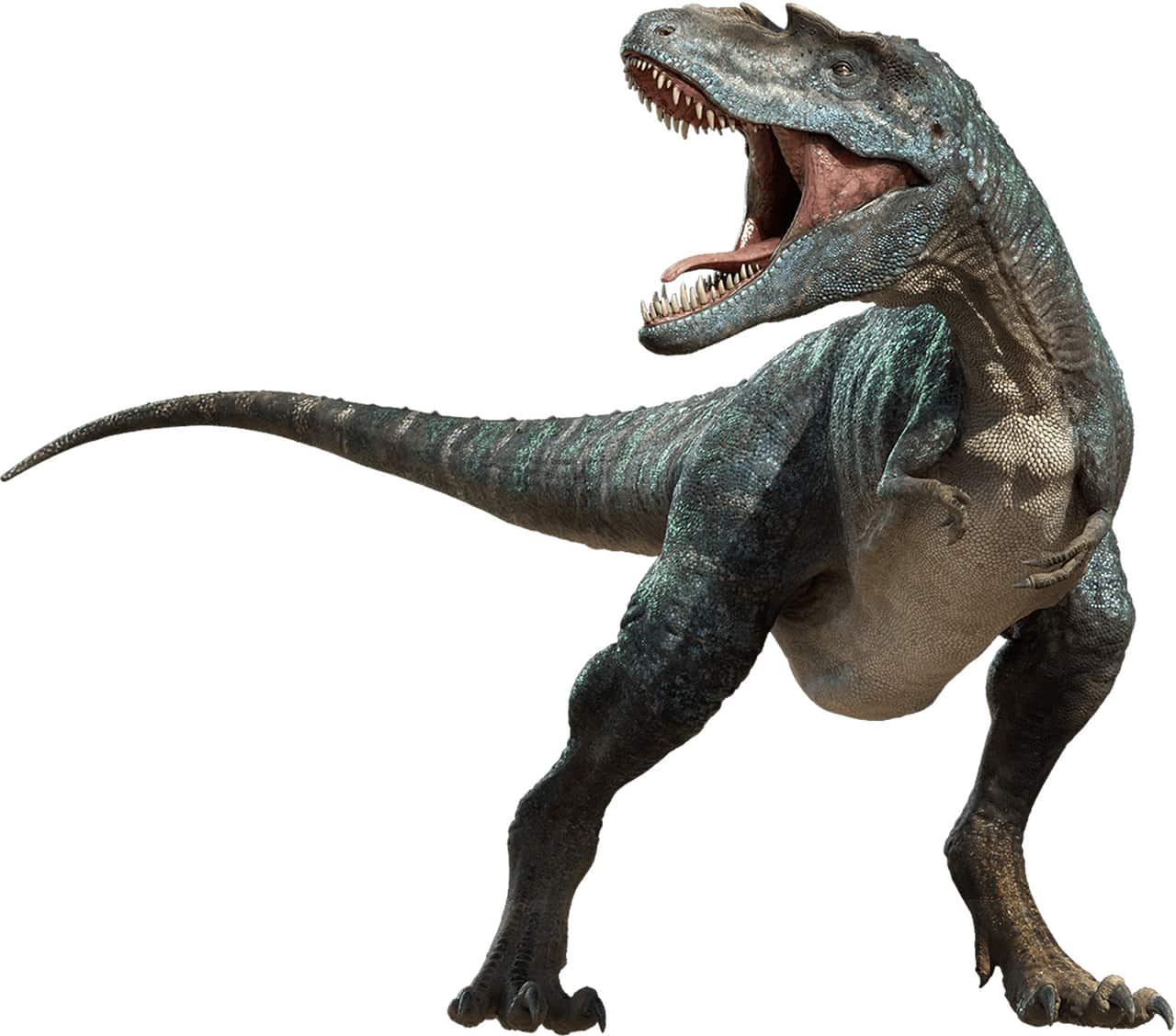
Tyrannosaurus rex had approximately 60 robust, serrated teeth. Compared with those of other carnivorous dinosaurs, they were more widely spaced and considerably thicker, with relatively blunt tips. Tooth shape and function varied with position in the jaw. The small, closely spaced anterior teeth were mainly used to grasp food and scrape flesh from bones. The larger, thicker lateral teeth were more widely spaced and were used to cut through flesh and bone. Recent scientific studies indicate that Tyrannosaurus rex was both an active predator and a scavenger. Like modern predators, it mainly targeted young, old or sick animals, but also consumed carrion when available.

Spinosaurus aegyptiacus
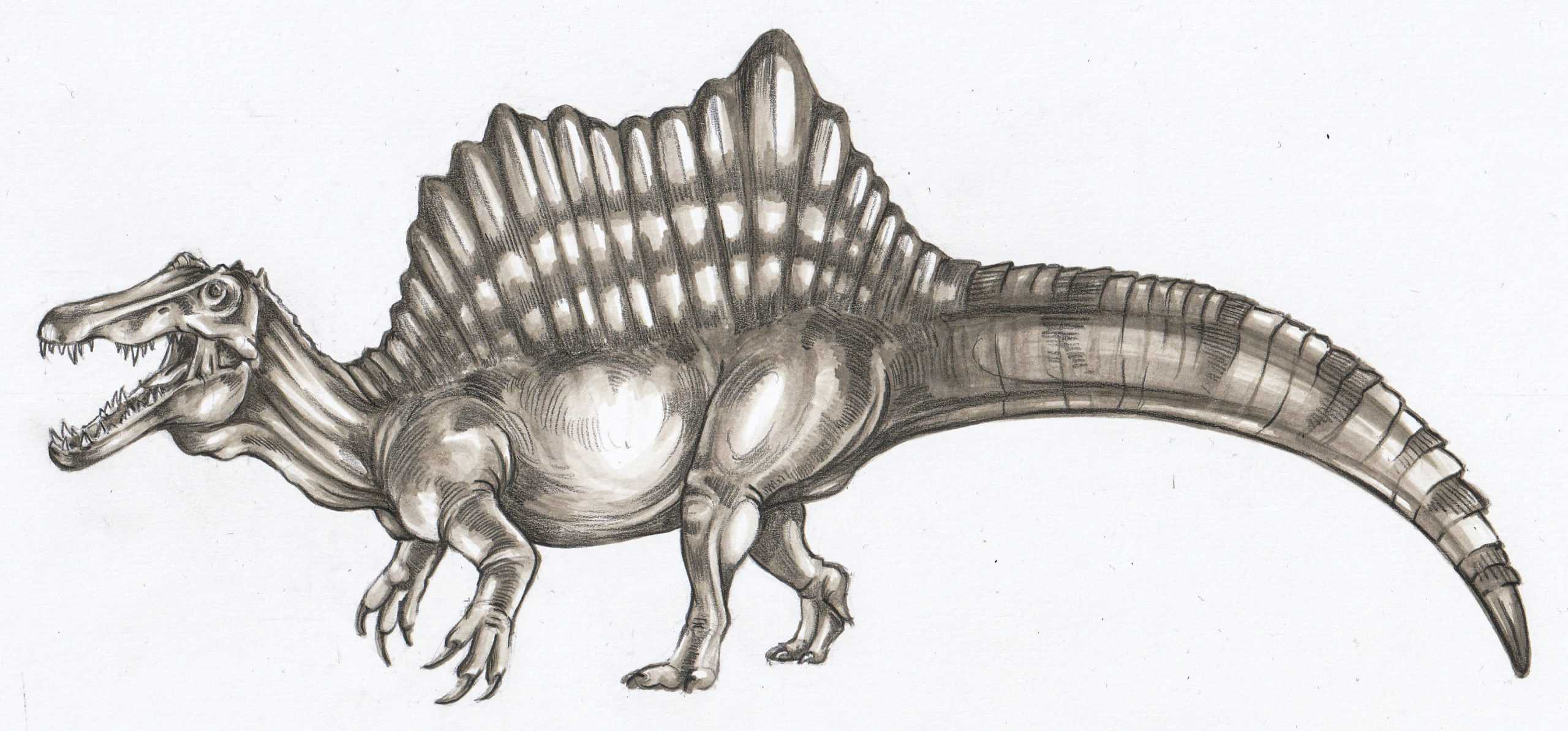
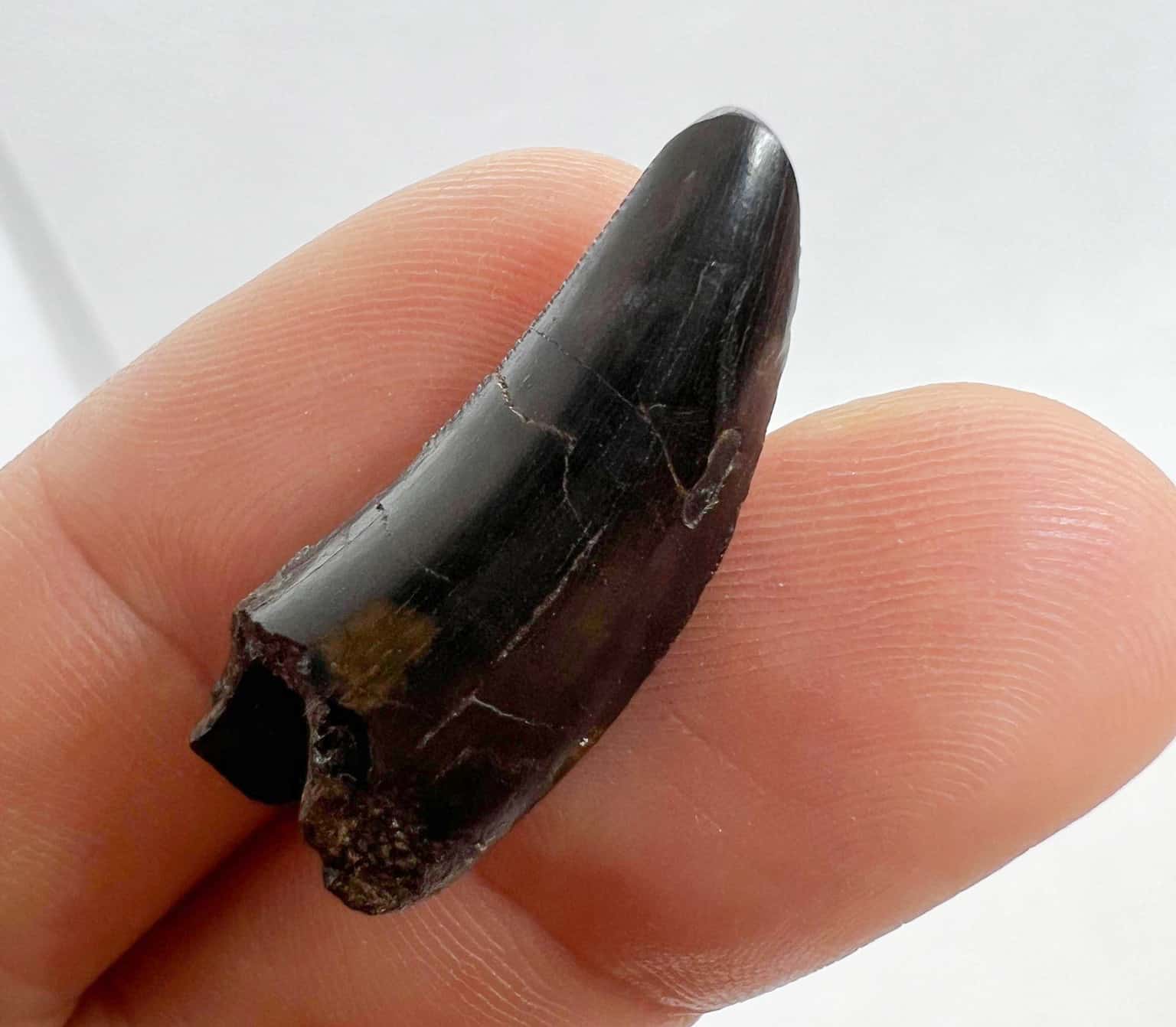
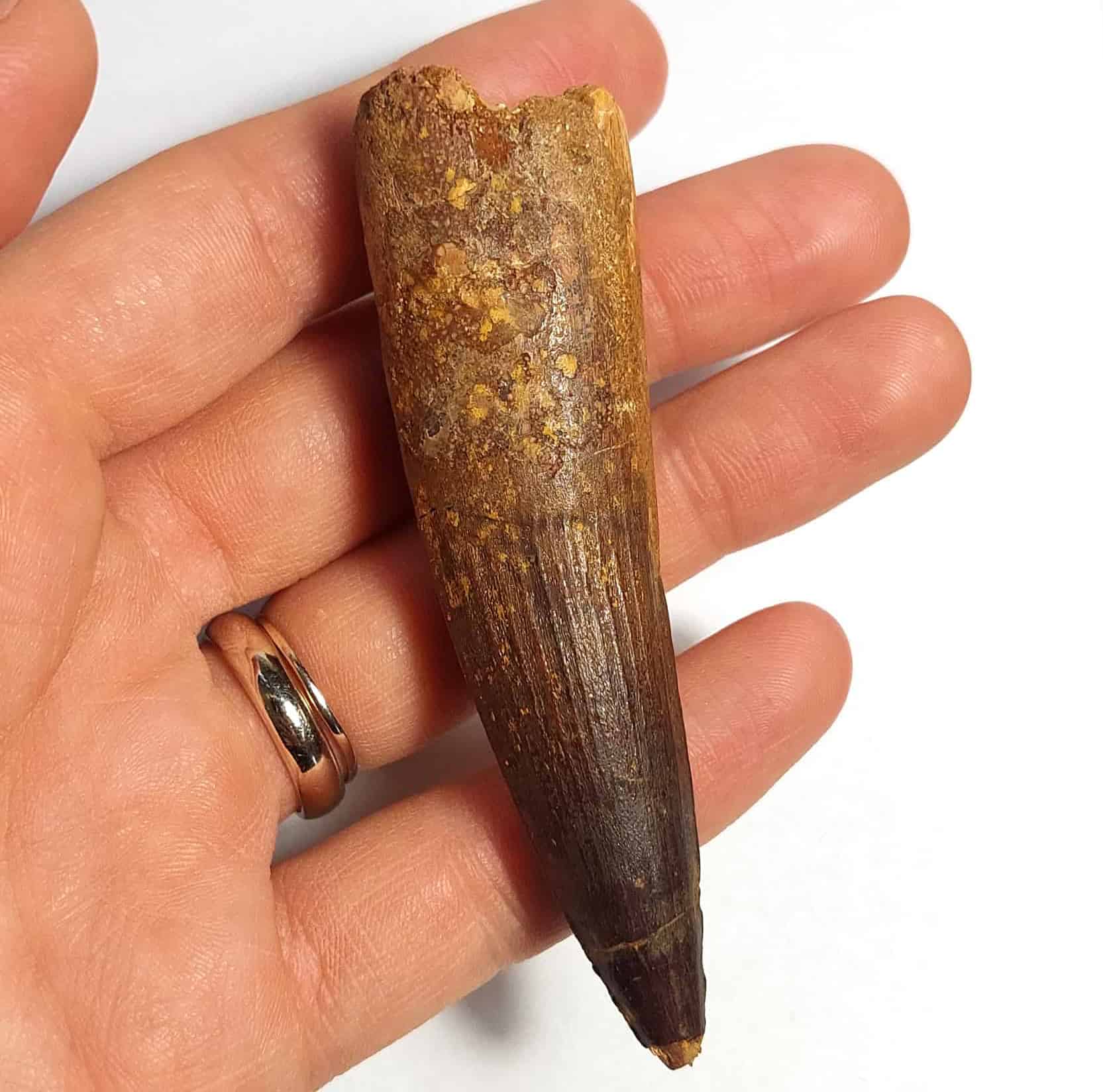
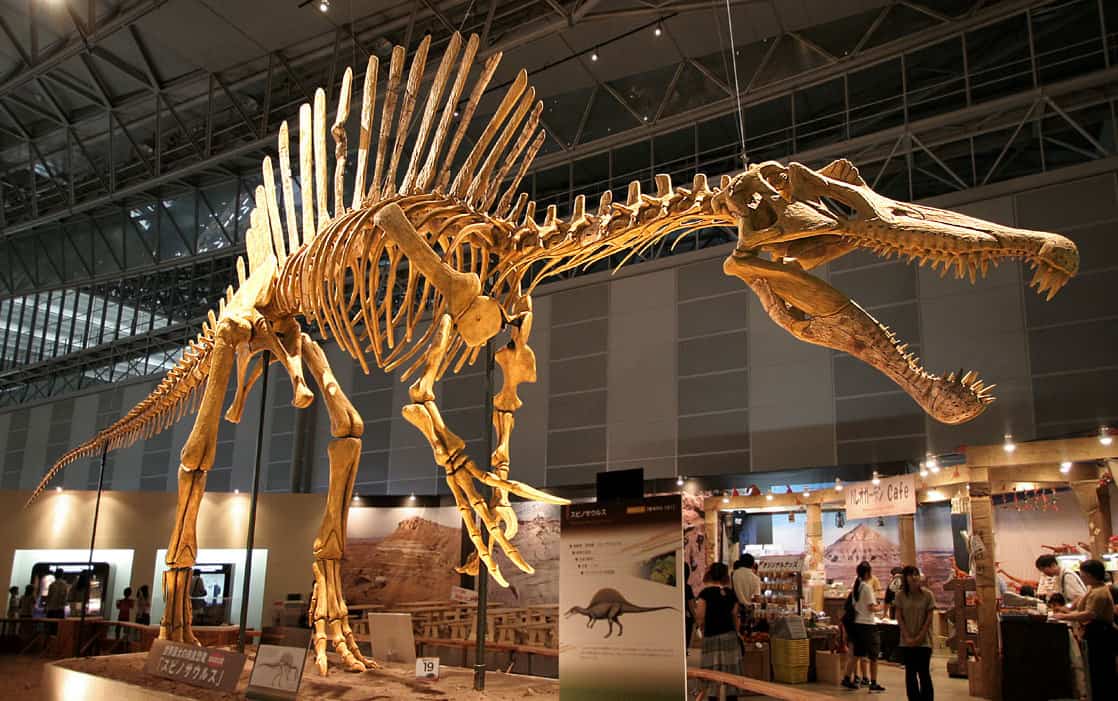
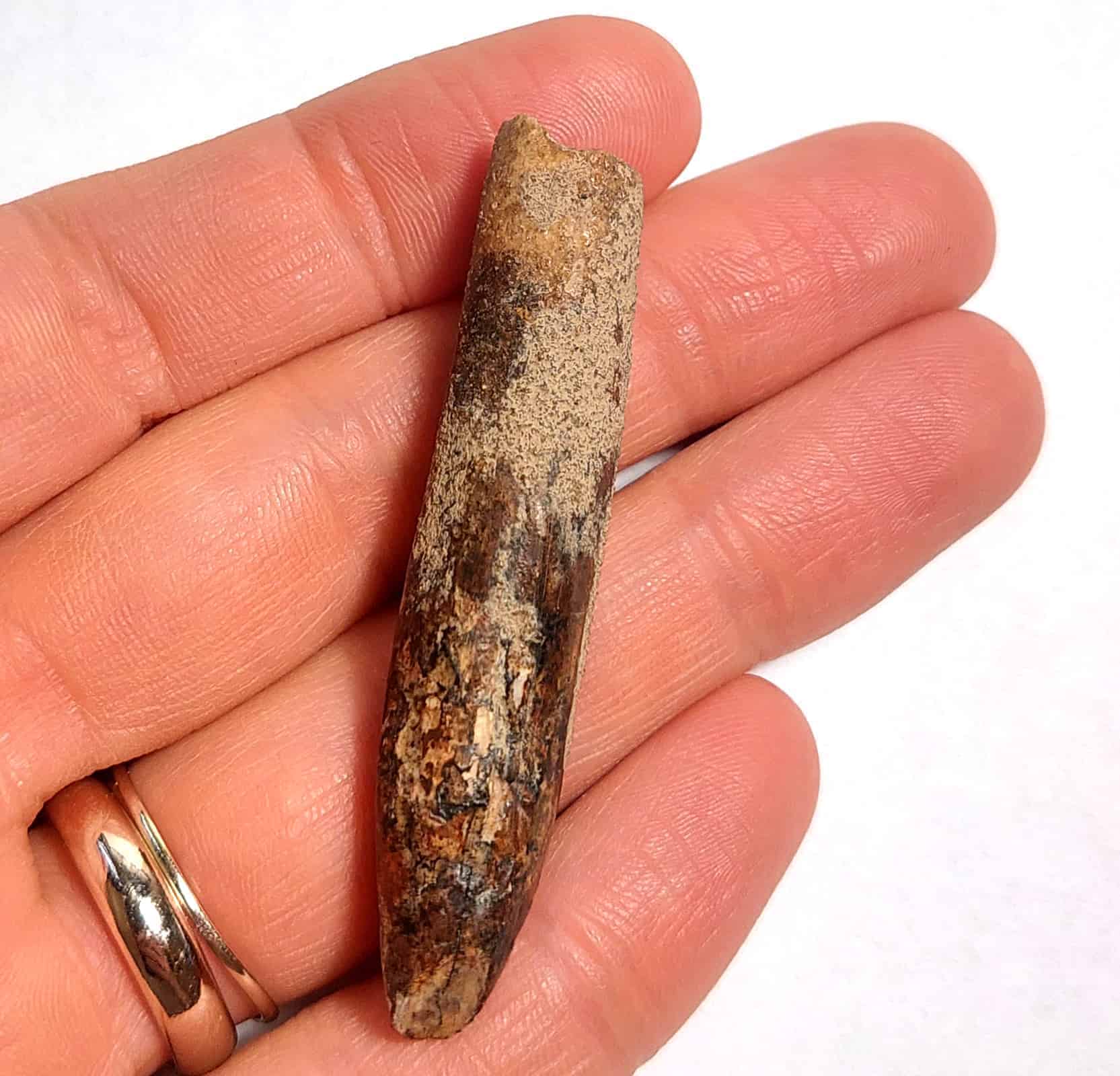
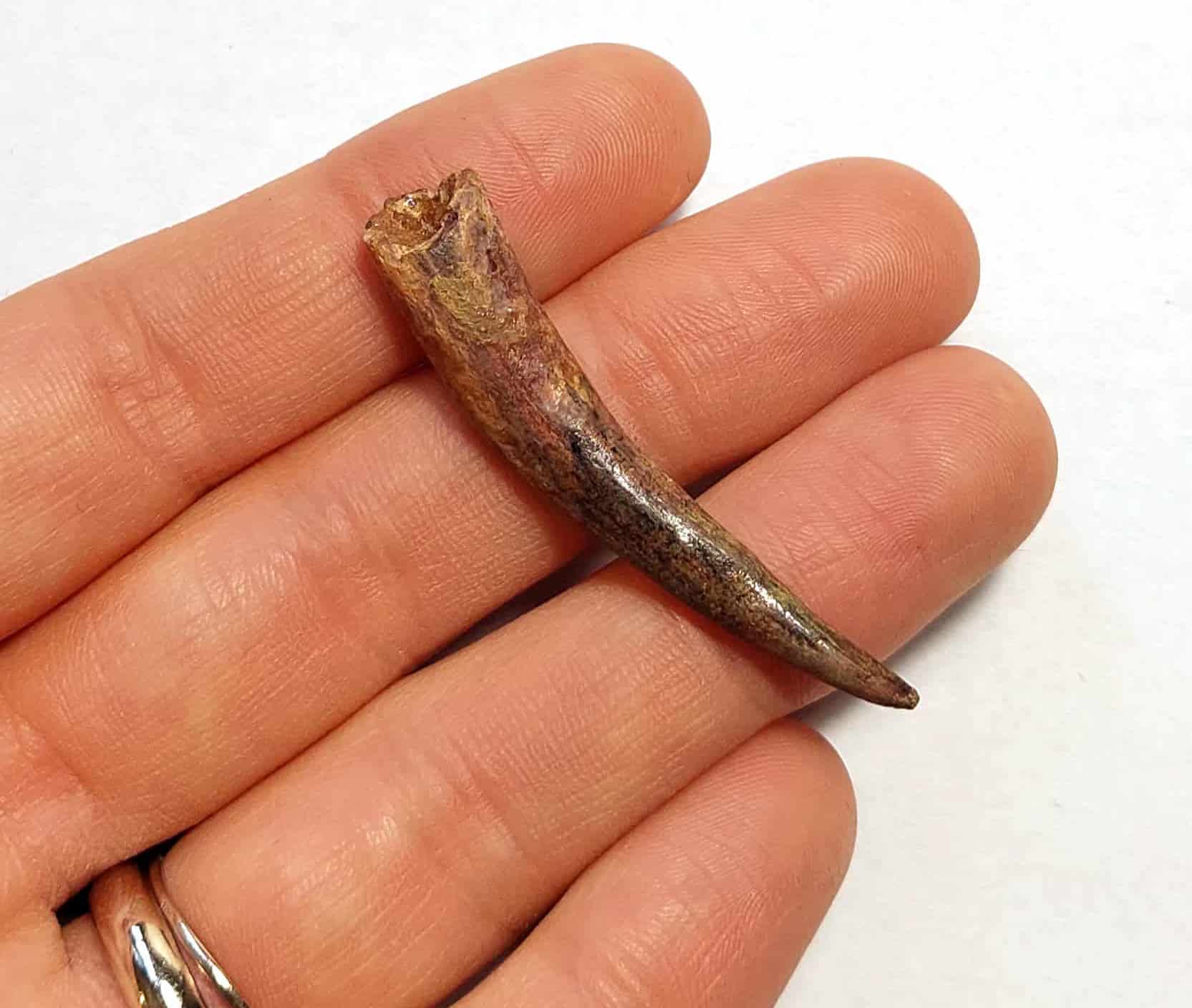
Spinosaurus aegyptiacus had a skull with a narrow snout and two gaps in the upper jaw. Its dentition comprised approximately 64 straight, nearly conical teeth, each with two fine cutting edges on opposite sides. It is thought that Spinosaurus was a semi-aquatic piscivore, feeding on fish and other marine organisms near land. Its dentition included 12–14 slightly curved premaxillary teeth; the second and third were substantially larger than the surrounding teeth. The lower teeth fitted into gaps in the upper jaw. Teeth of Spinosaurus are remarkably common in deposits of the Kem Kem region of Morocco. Including the root, these teeth can reach 10–12 cm in length.
The abundance of Spinosaurus aegyptiacus teeth is explained by their replacement rate. In a 2020 study, palaeontologists Nicola Heckeberg and Oliver Rauhaut examined dentine growth lines in several Spinosaurus tooth samples from the Kem Kem region of Morocco, using a method comparable to estimating tree age from growth rings. They concluded that a new Spinosaurus tooth could form in approximately 270 days. Tooth development began before the existing tooth was replaced in the jaw, with replacement occurring approximately every 60–70 days.
Why was such frequent tooth replacement necessary? One explanation may be related to the diet of spinosaurs. As semi-aquatic animals, they probably fed largely on marine organisms such as fish. Captured prey often struggled vigorously, increasing the risk of tooth fractures or tooth loss. Frequent tooth replacement appears to have been an effective evolutionary adaptation that helped the species persist. Spinosaurus occupied its ecological niche for approximately 12 million years (112–93.5 million years ago).
Carcharodontosaurus saharicus
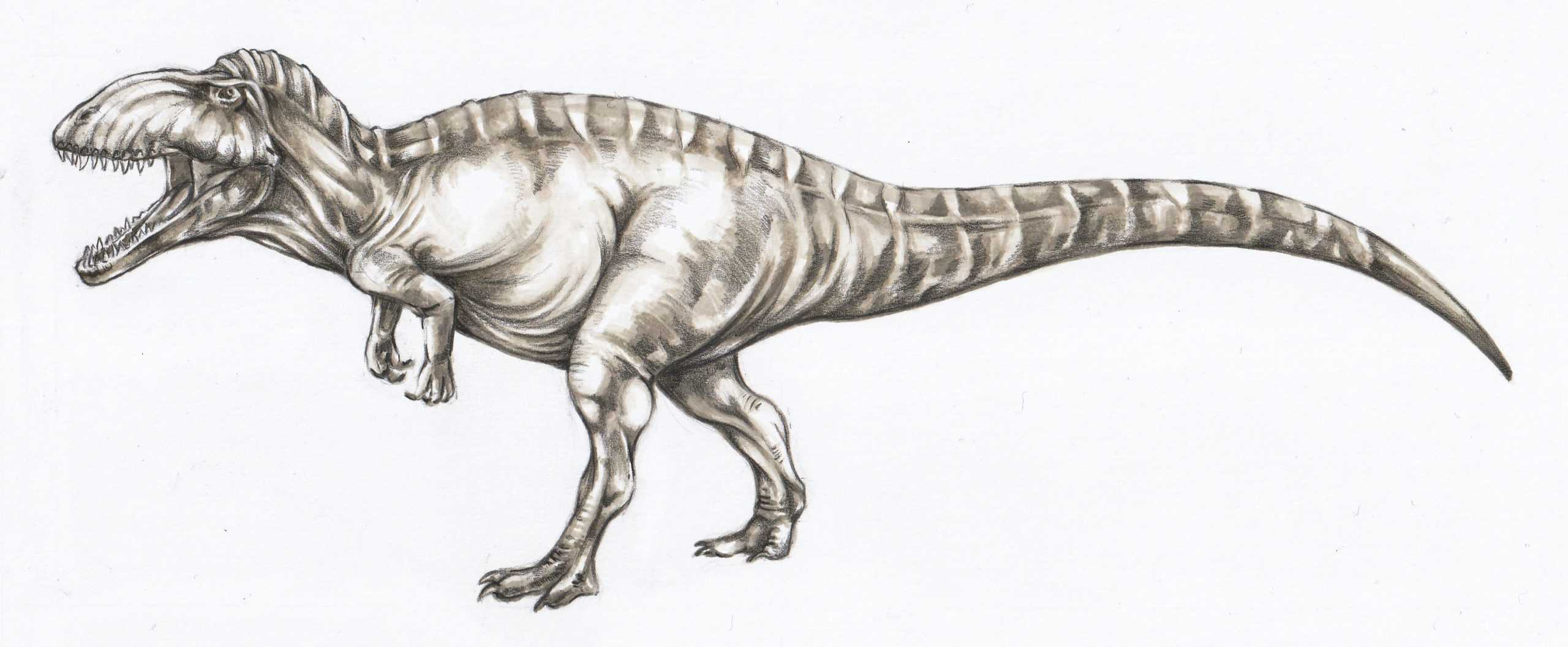
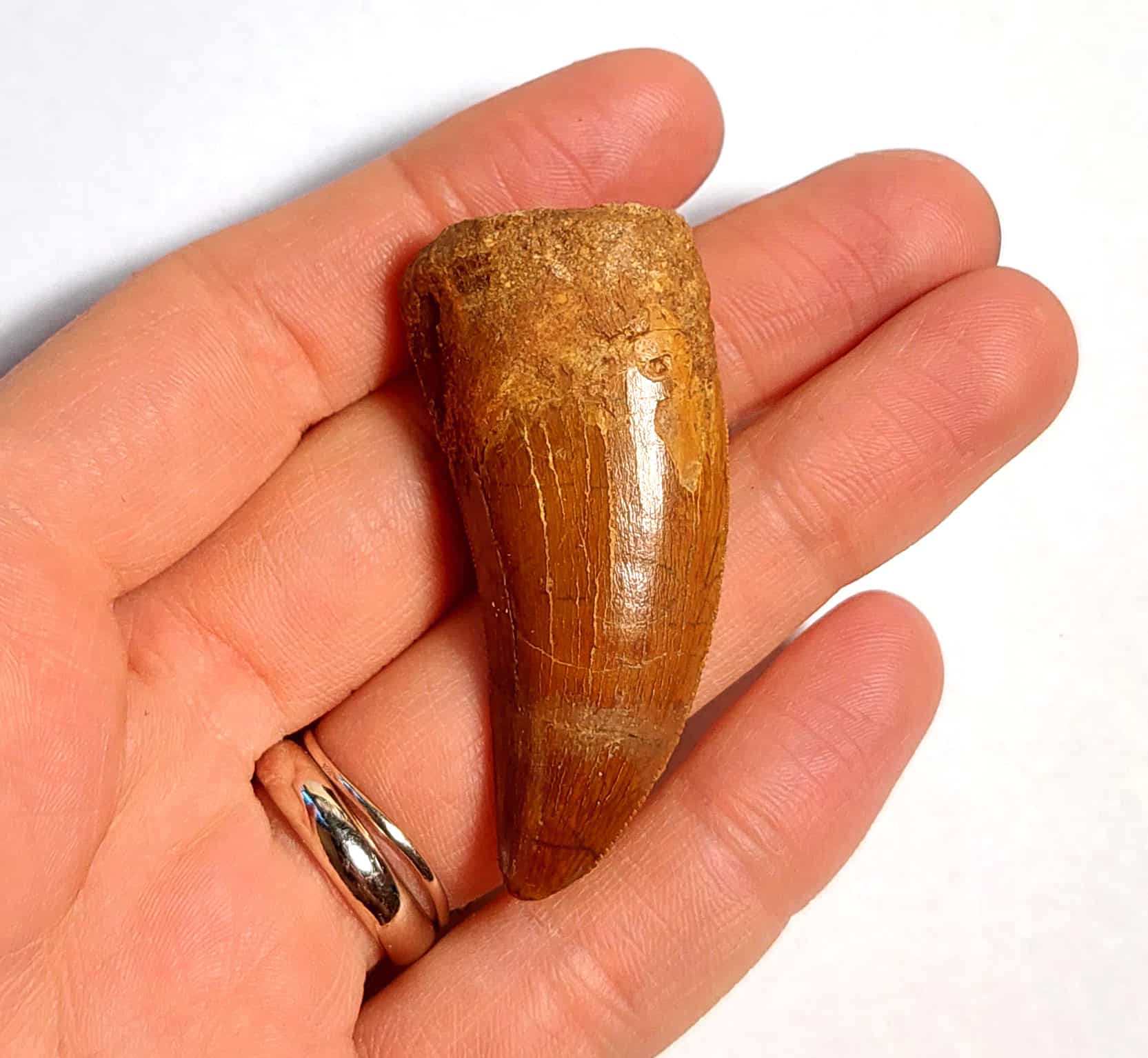
Carcharodontosaurus was initially known only from a few fossil teeth discovered in the first half of the twentieth century. Subsequent discoveries have provided further information about the lifestyle of this large Cretaceous carnivore. Carcharodontosaurus had enormous jaws containing approximately 64 serrated, blade-like teeth, up to 18–20 cm in length. Its skull was among the largest of any carnivorous dinosaur, equalling or often exceeding that of the better-known Tyrannosaurus rex. The teeth are relatively narrow, curve slightly backwards and show enamel wrinkles.
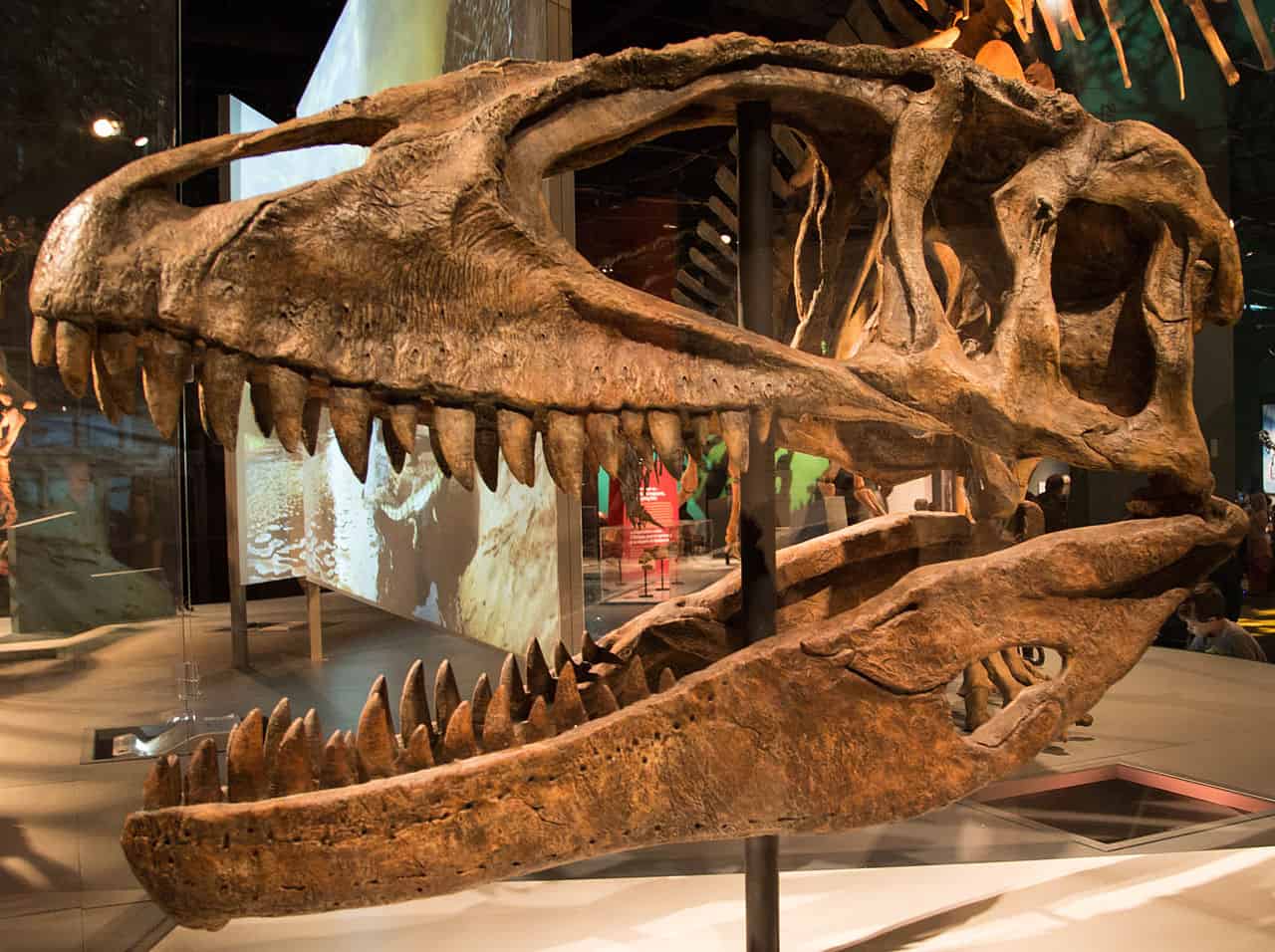
Dromaeosauridae ("Raptors")
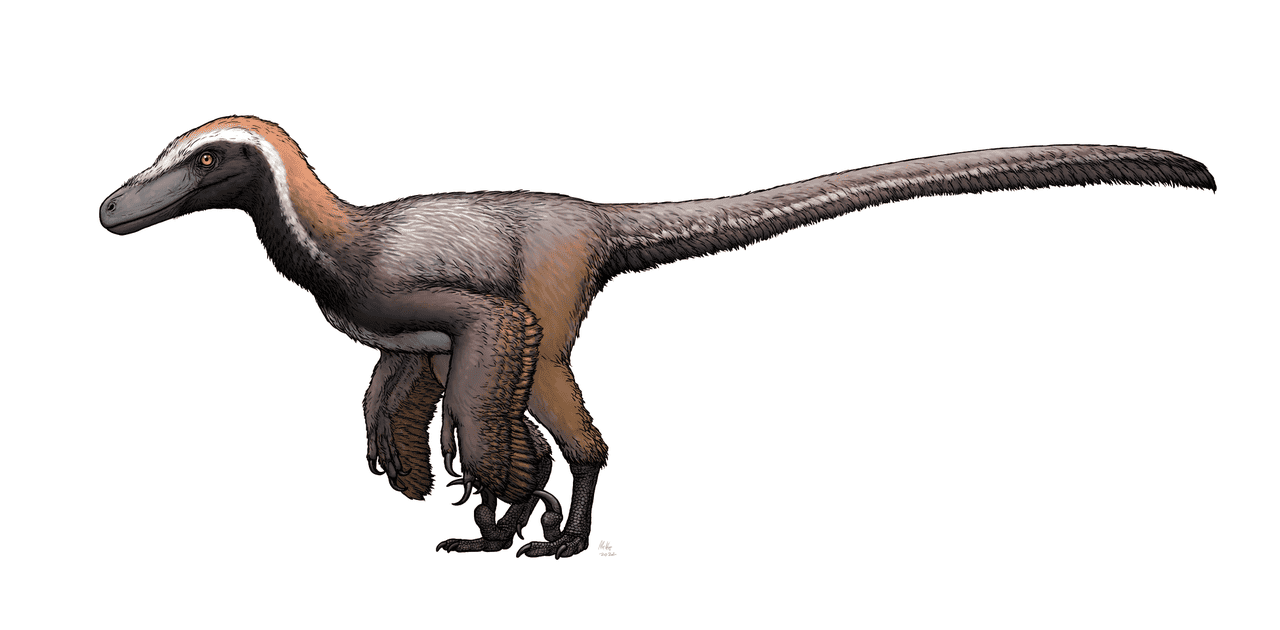
Raptors (family Dromaeosauridae) were small carnivorous theropod dinosaurs that are thought not to have used their teeth to kill prey. Their teeth were therefore smaller relative to their skulls than those of large theropods that used their dentition as their principal means of killing.
Velociraptor is among the best-known members of Dromaeosauridae. Its jaws contained approximately 26–28 blade-like teeth, with crowns reaching about 1.0 cm in height. The teeth were widely spaced and bore coarse serrations directed towards the rear of the dental carinae.
Deinonychus was another relatively large member of Dromaeosauridae. It had up to 70 curved, blade-like teeth, approximately 1.3 cm in height, with similar serrations along both the anterior and posterior edges.
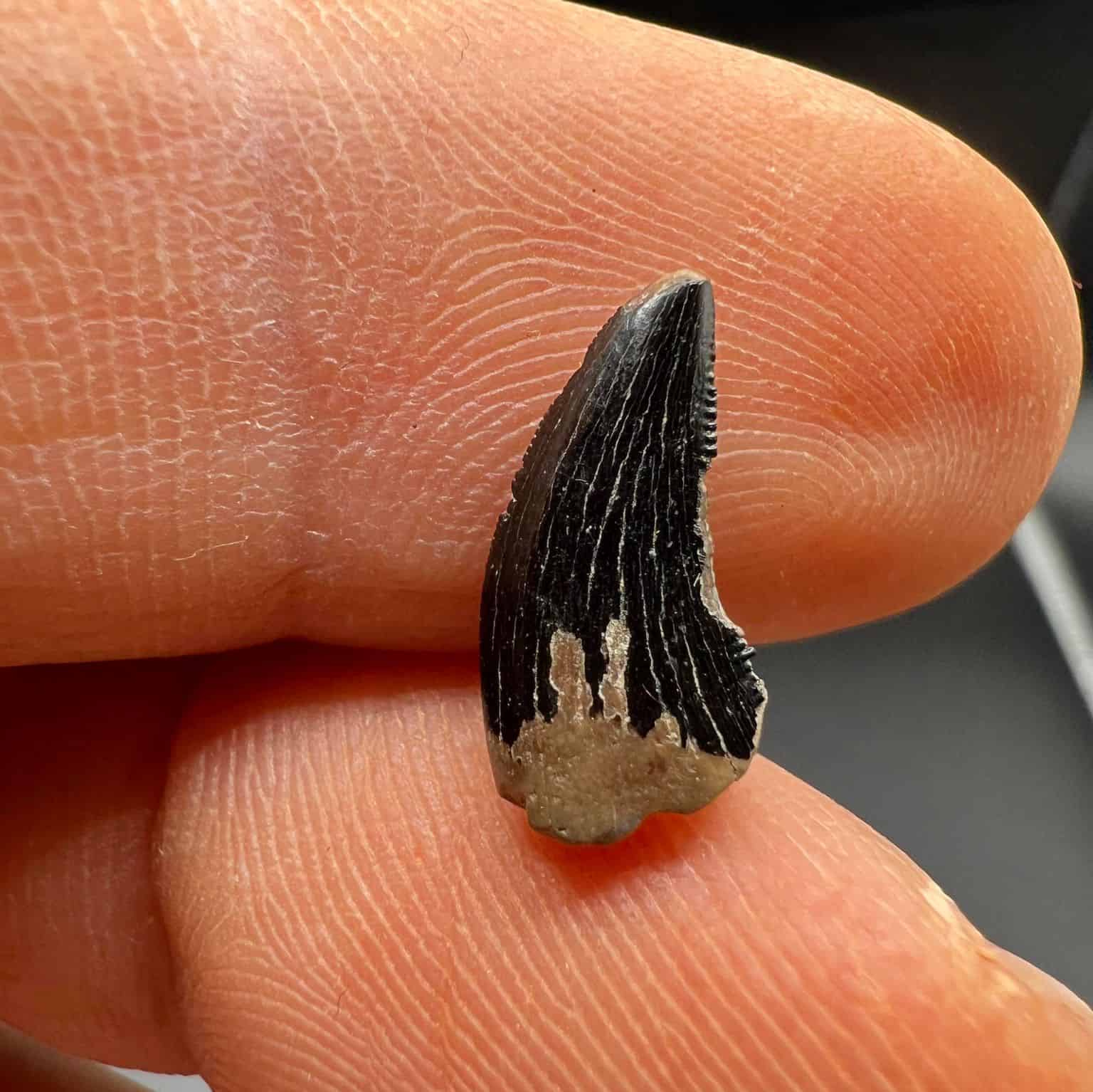
A species described as a “mysterious raptor” has also been identified in present-day Morocco. Its teeth measure 1.2–2 cm and have strongly posteriorly directed serrations, suggesting morphological similarities with the better-known Velociraptor. No complete or partial skeleton has yet been discovered for this raptor, making its body size and other characteristics difficult to estimate. However, the relative dimensions of its teeth are comparable to those of Deinonychus, which reached approximately 3.0–3.5 m in length.
Triceratops horridus
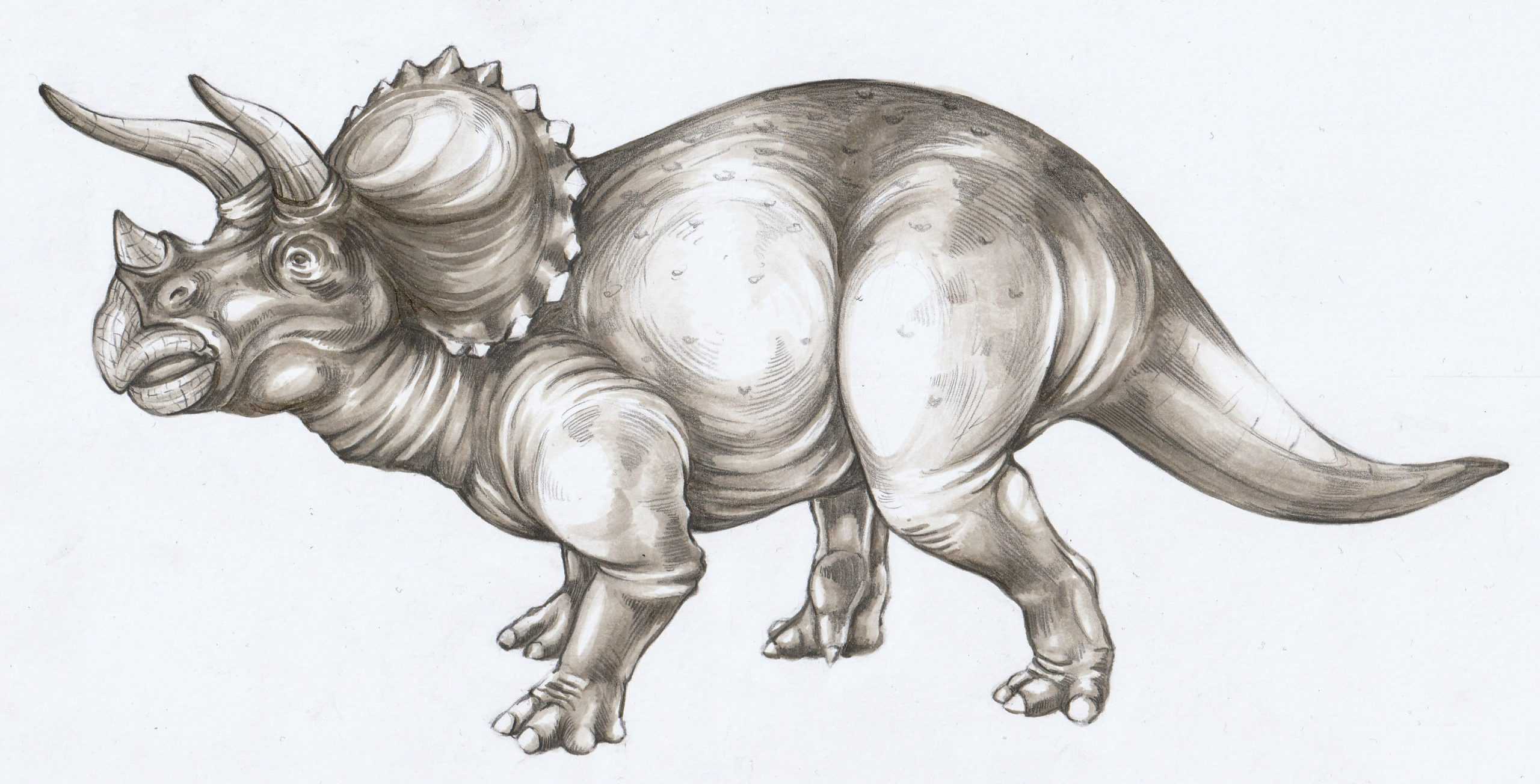
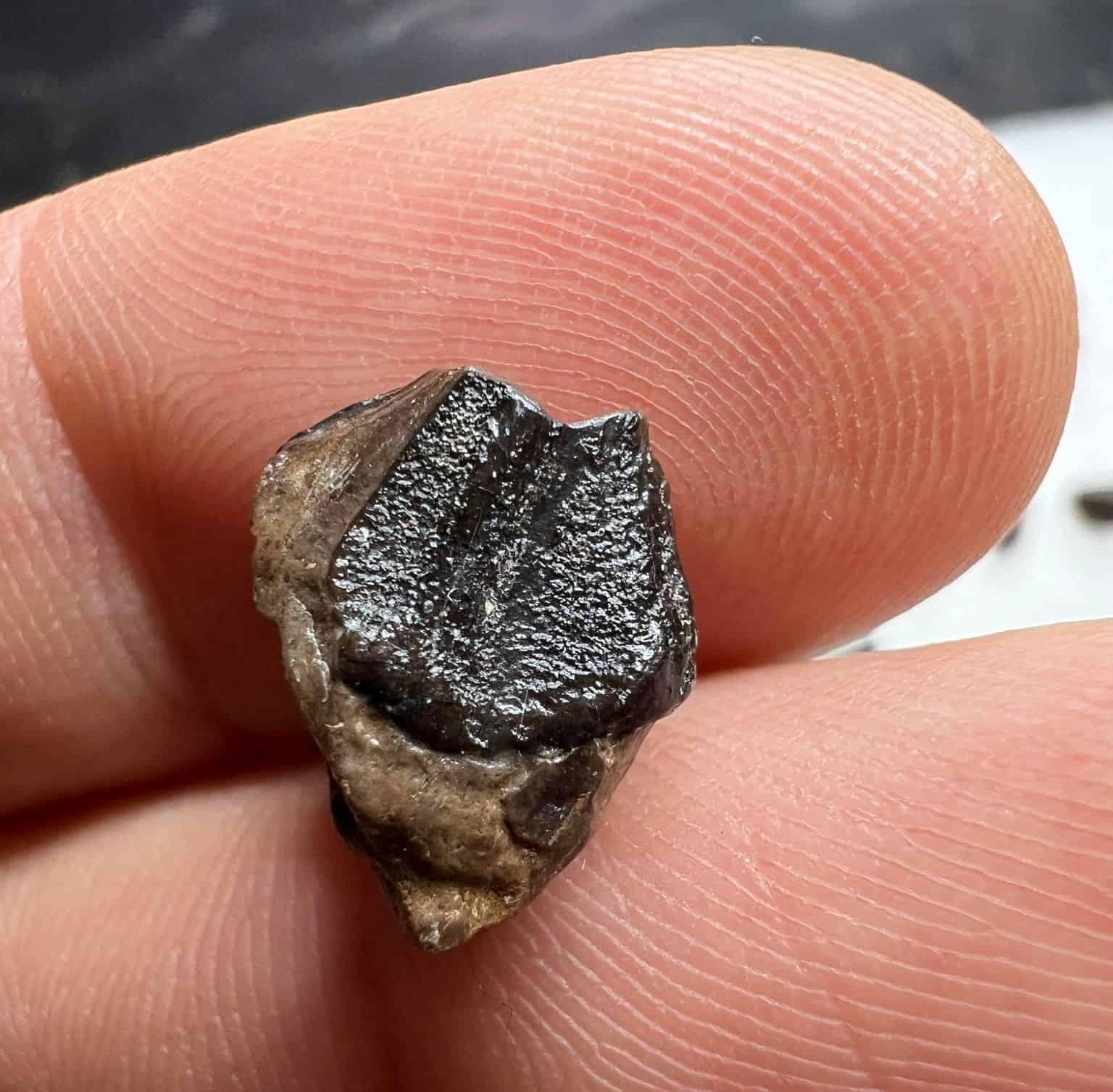
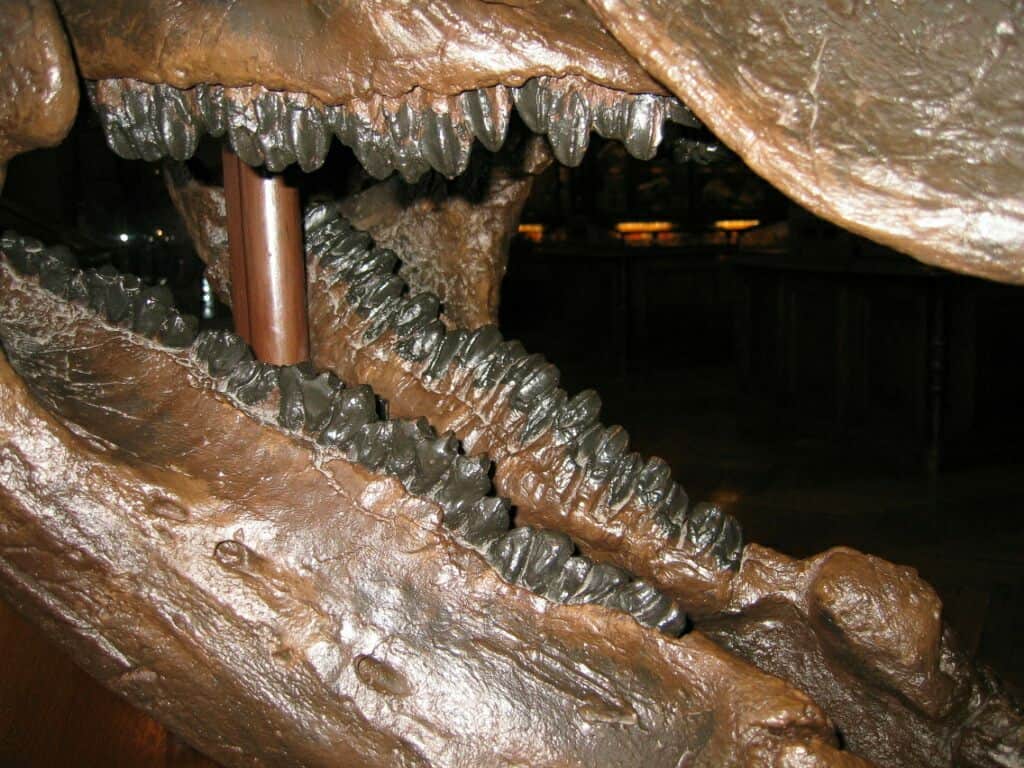
Teeth of Triceratops horridus are common fossils because of their abundance and arrangement in the jaws. They were arranged in 36–40 vertical columns in each section of the jaw. Each column contained 3–5 teeth, which were replaced as they wore down while processing the large volumes of plant material these dinosaurs consumed.
Teeth shed as a result of this exclusively herbivorous diet are often referred to as “spitters”. Tooth replacement was continuous throughout the animal’s life, although only some of the up to 800 teeth retained in the vertical columns described above were in use at any one time.
Several studies (Hu, J. et al., 2022) suggest that Triceratops could replace its teeth approximately every three months, depending on need. These herbivorous dinosaurs are described as having three distinct tooth types:
a) Lower teeth, or dentary teeth, were positioned in the lower jaw. Their robust form and serrated edges were adapted for cutting vegetation and the initial stages of chewing.
b) Palatal teeth were positioned in the upper jaw and primarily assisted feeding. Given the large size and substantial body mass of Triceratops, the volume of food required was considerable.
c) Parietal teeth were positioned towards the rear of the jaw and probably served to crush tough, woody plants. Their somewhat pyramidal form facilitated the breakdown of food.
Rebbachisaurus garasbae
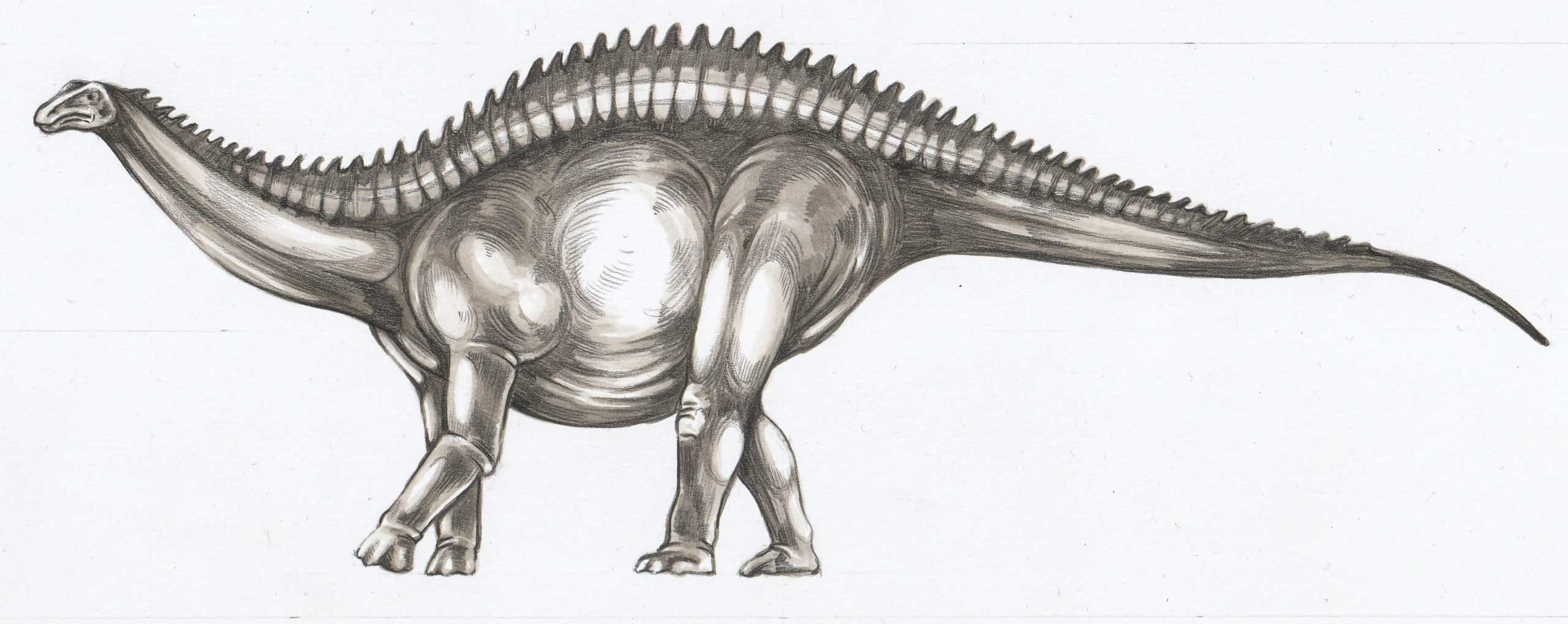
Rebbachisaurus is a genus of sauropod dinosaur in the superfamily Diplodocoidea, which lived in Africa during the Late Cretaceous, approximately 99–97 million years ago, and reached up to 20 m in length and 7 tonnes in mass. This large herbivore had a small head, a long, slender neck and a whip-like tail that may have counterbalanced its neck.
Rebbachisaurus is distinguished from other sauropods by its unusually high, ridged back. Its long, slender teeth acted as rakes to gather plant material from branches, while their chisel-like tips helped process the large quantities of vegetation consumed daily. This feeding method produced distinctive wear patterns, particularly on the tooth tips and outer surfaces. Little is known about the number of teeth in Rebbachisaurus or their replacement rate, but comparison with its relative Diplodocus, which had approximately 40 relatively small, peg-like teeth clustered at the front of the jaw, suggests a replacement interval of about 35 days.
Edmontosaurus
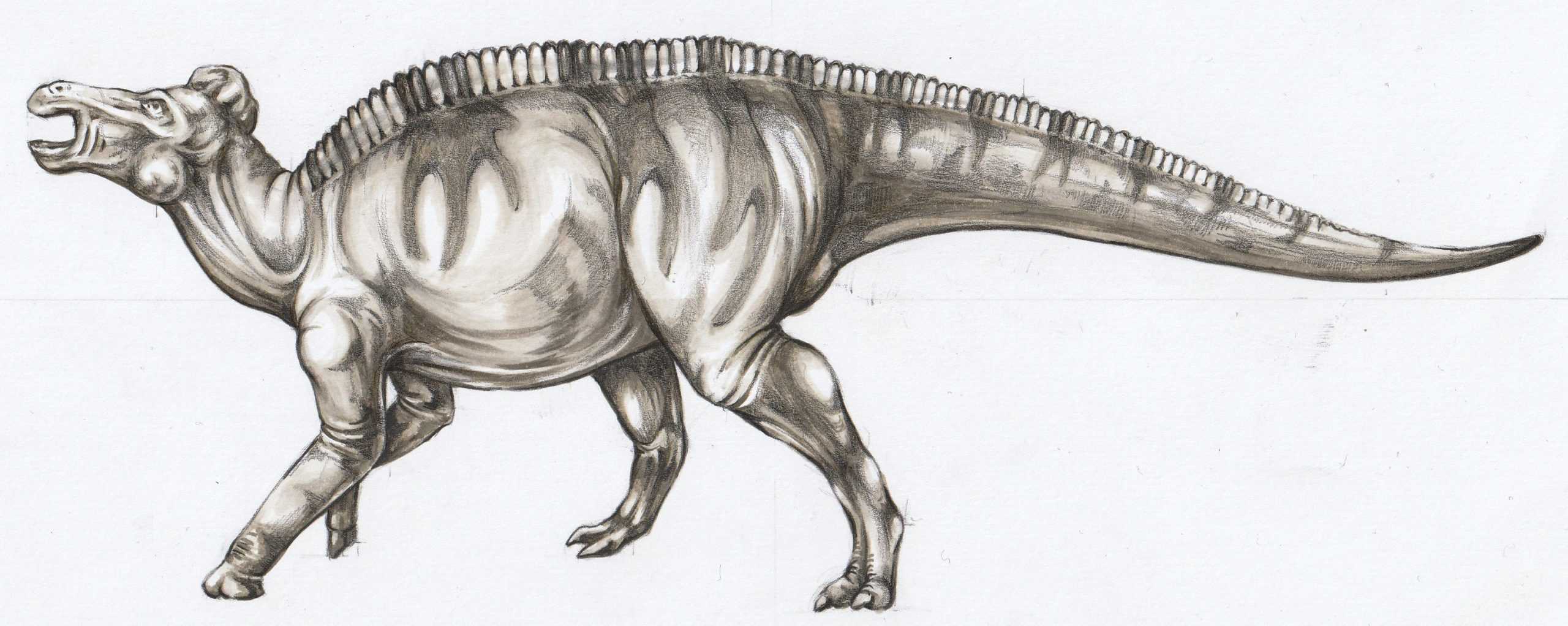
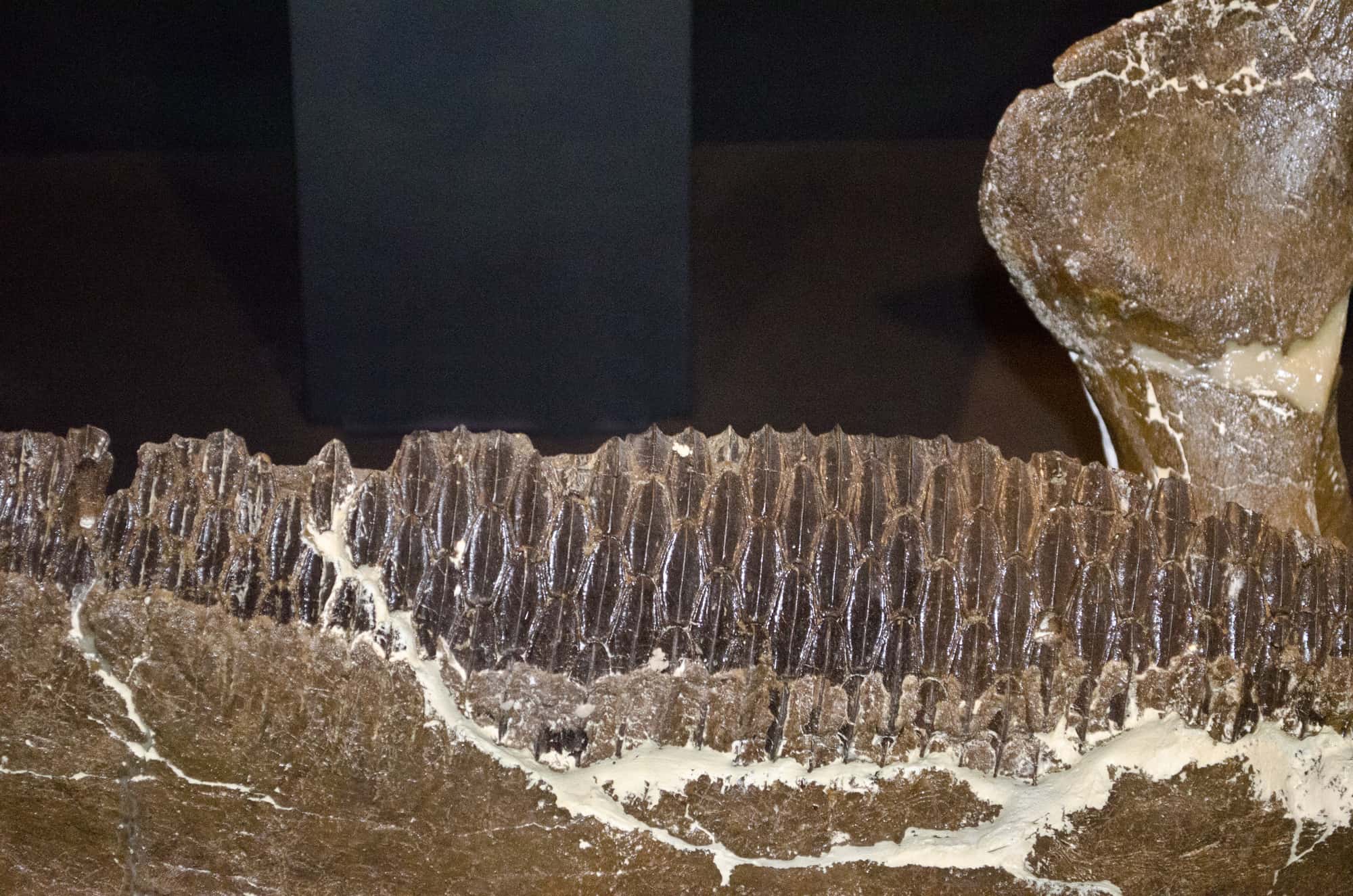
Edmontosaurus was a hadrosaur with dental batteries similar to those of Triceratops, and its teeth were continuously replaced. It had 48–53 tooth columns, depending on the individual’s size and age, with up to six teeth stacked in each column. A new tooth could take approximately six months to develop. The chewing mechanism of Edmontosaurus remains debated. Proposed explanations include a front-to-back scraping motion, or jaw flexion combined with a back-and-forth movement that produced a more complex sliding and shearing action on plant material. Its teeth were relatively small, measuring no more than 1.3 cm.
Ankylosaurus
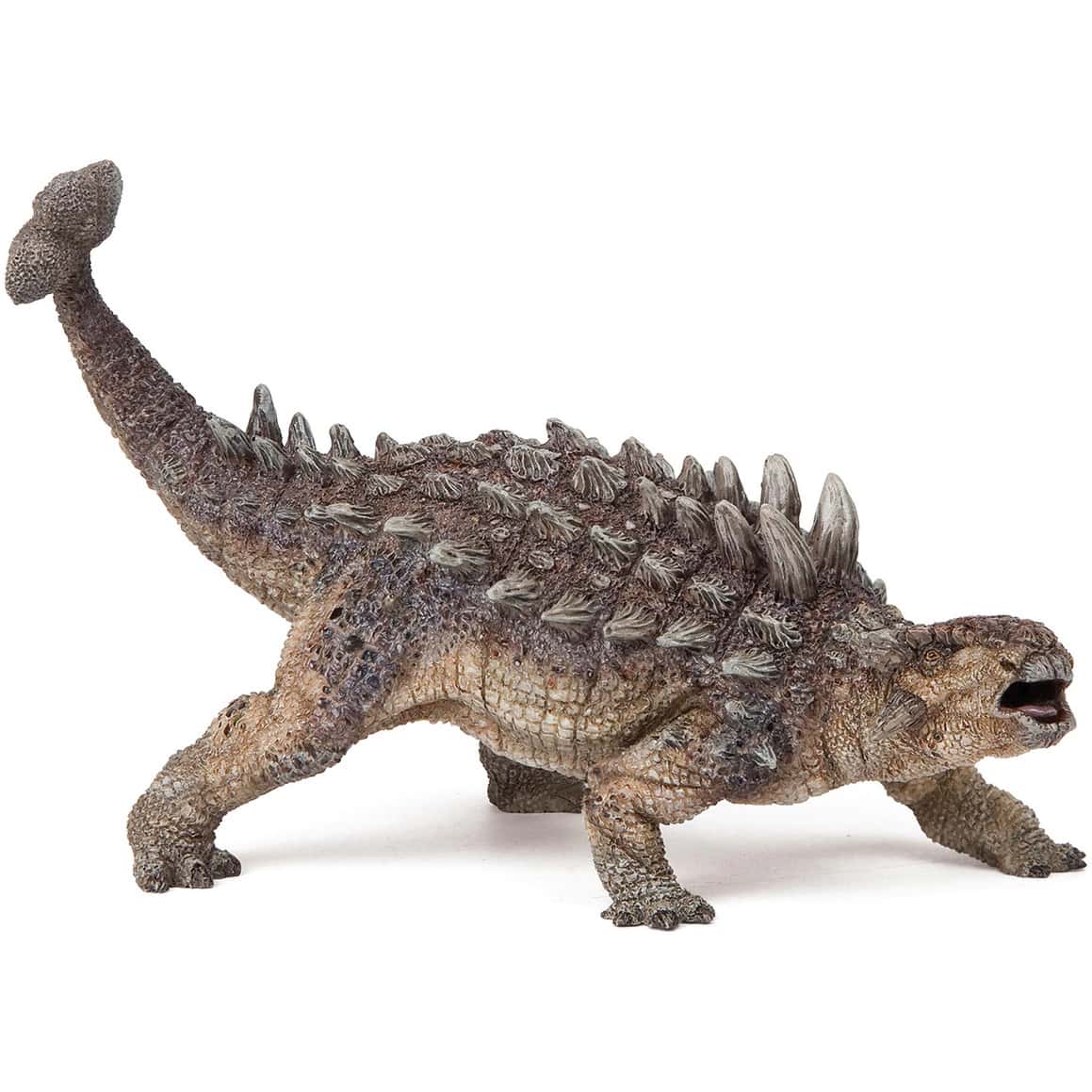
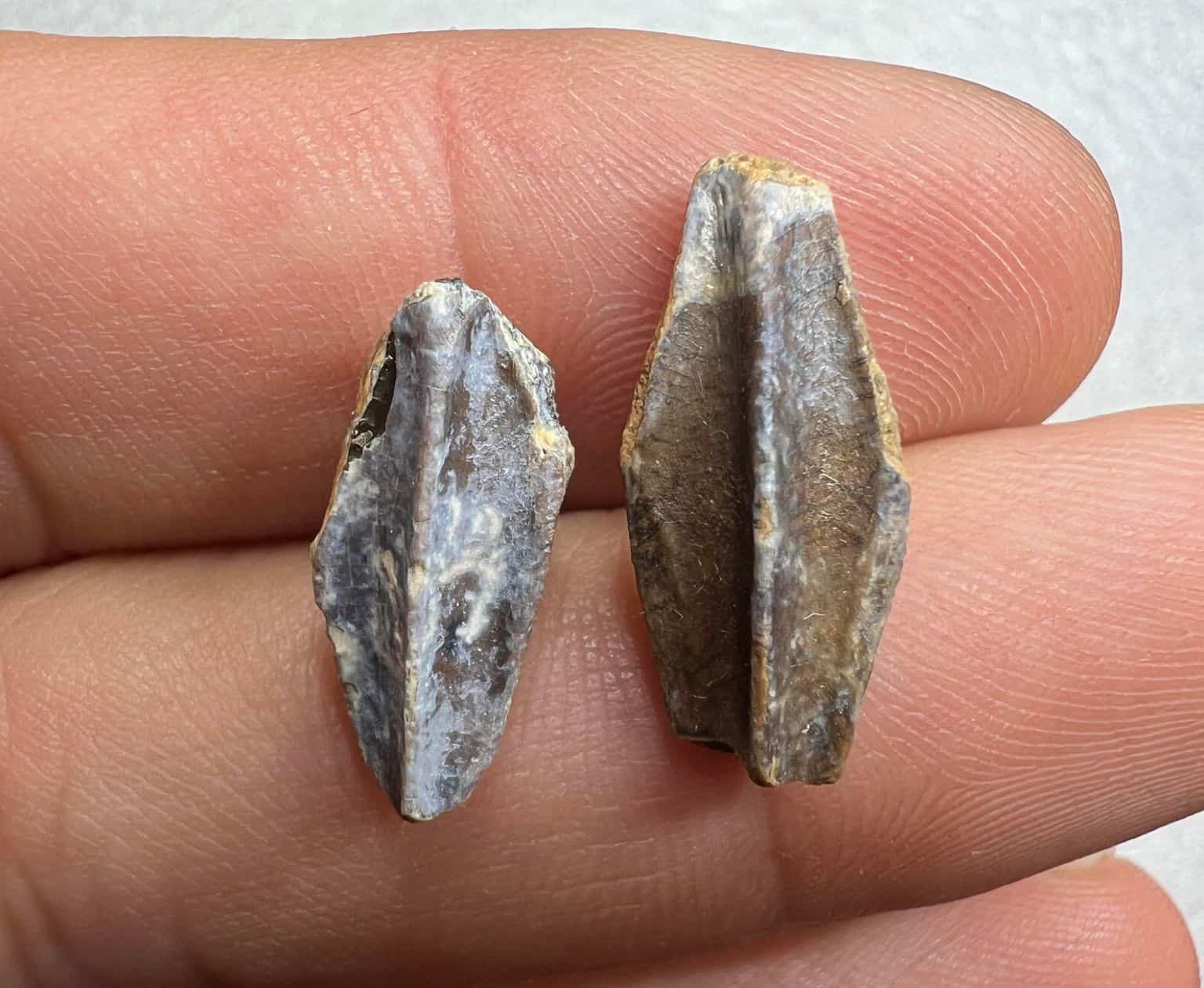
Ankylosaurus was a genus of herbivorous dinosaur characterised by armour covering much of its body and a tail ending in a club. Its dentition comprised approximately 72 small, leaf-shaped teeth. These teeth bore a series of cusps—pyramidal projections with four slopes, two ridges and an apex—and resembled a relatively thick blade tapering towards the root. They may have been used to cut food consisting of ferns, cycads (described here as fossil plants resembling modern palms) and angiosperms, which was then swallowed with little chewing. Along with stegosaurs, ankylosaurs had among the simplest and most primitive dental morphologies of ornithischian dinosaurs.
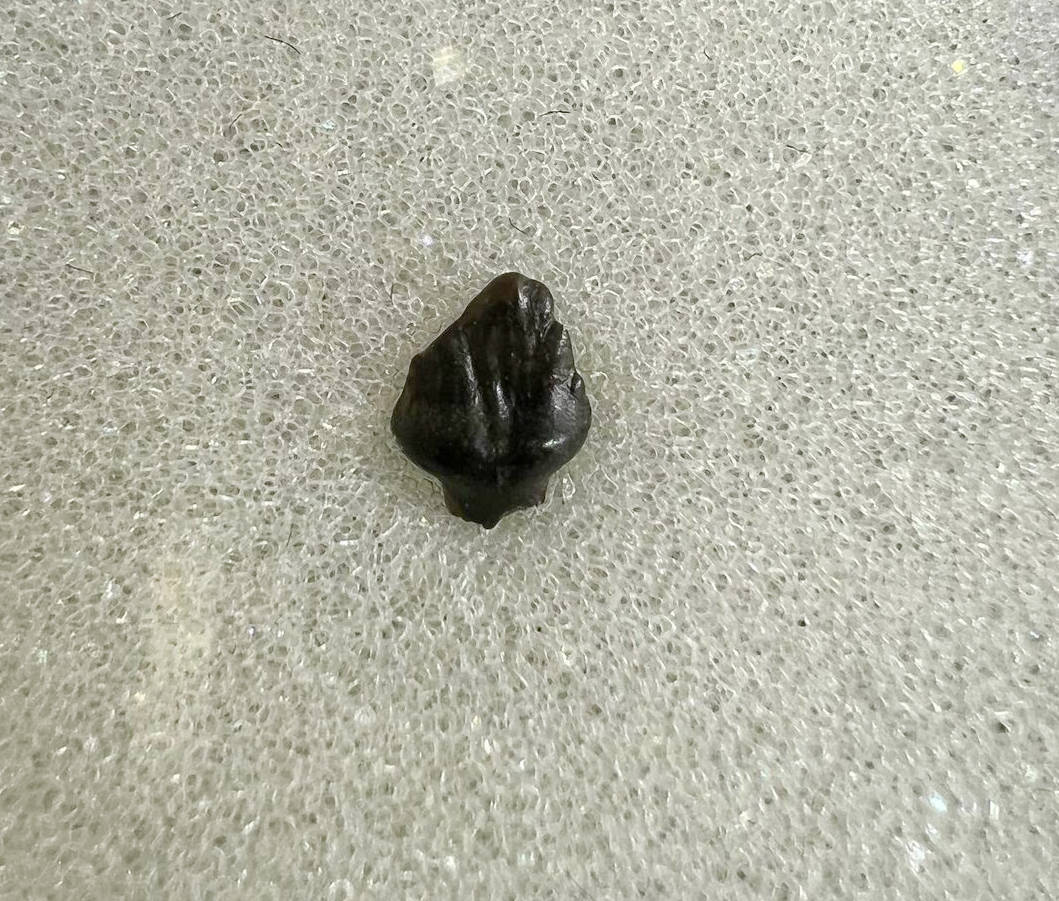
Stegosaurus
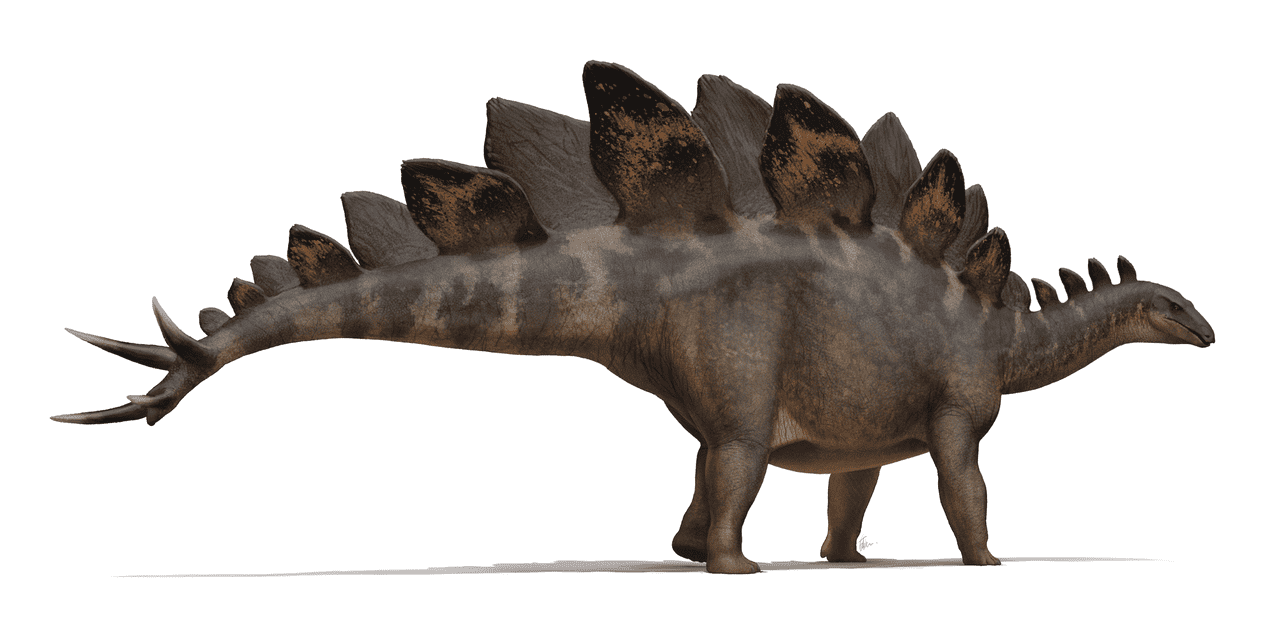
Stegosaurus was a herbivorous dinosaur belonging to Stegosauridae. It had approximately 78 small, triangular, flattened teeth and fed mainly on plants such as mosses, ferns, horsetails, cycads and conifers. Wear patterns on fossil teeth suggest that stegosaurs ground their food, although the precise mechanism remains unclear. Their teeth are thought not to have pressed directly against one another as in most herbivores, resulting in a relatively inefficient grinding surface. Their jaws also appear to have moved only up and down, a comparatively primitive mechanism relative to other herbivorous dinosaurs.
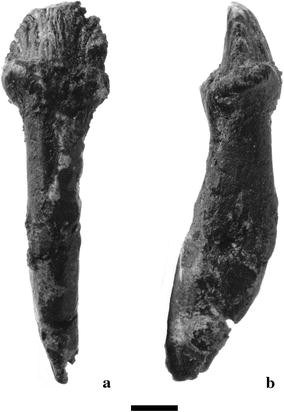
Mosasaur
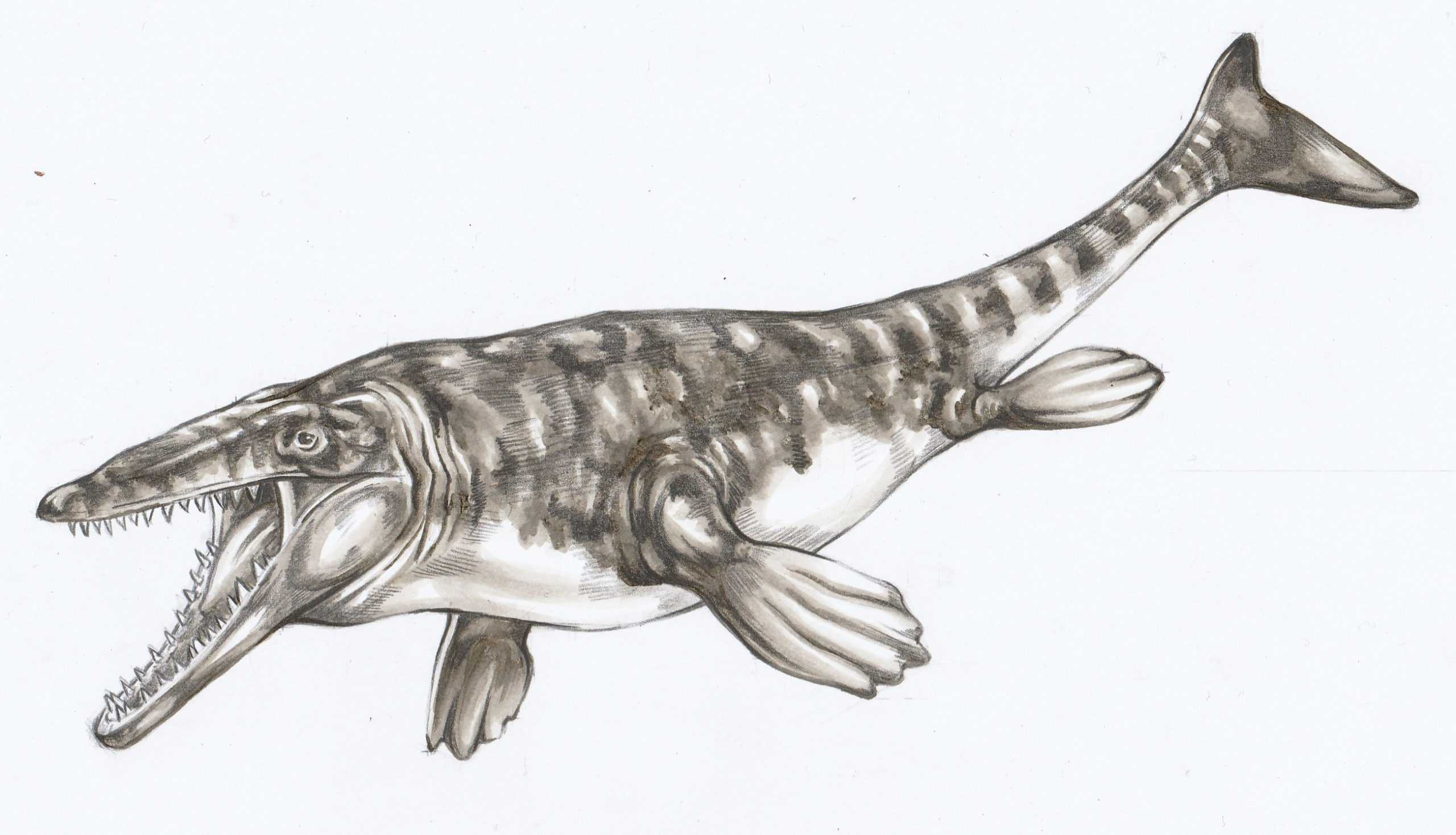
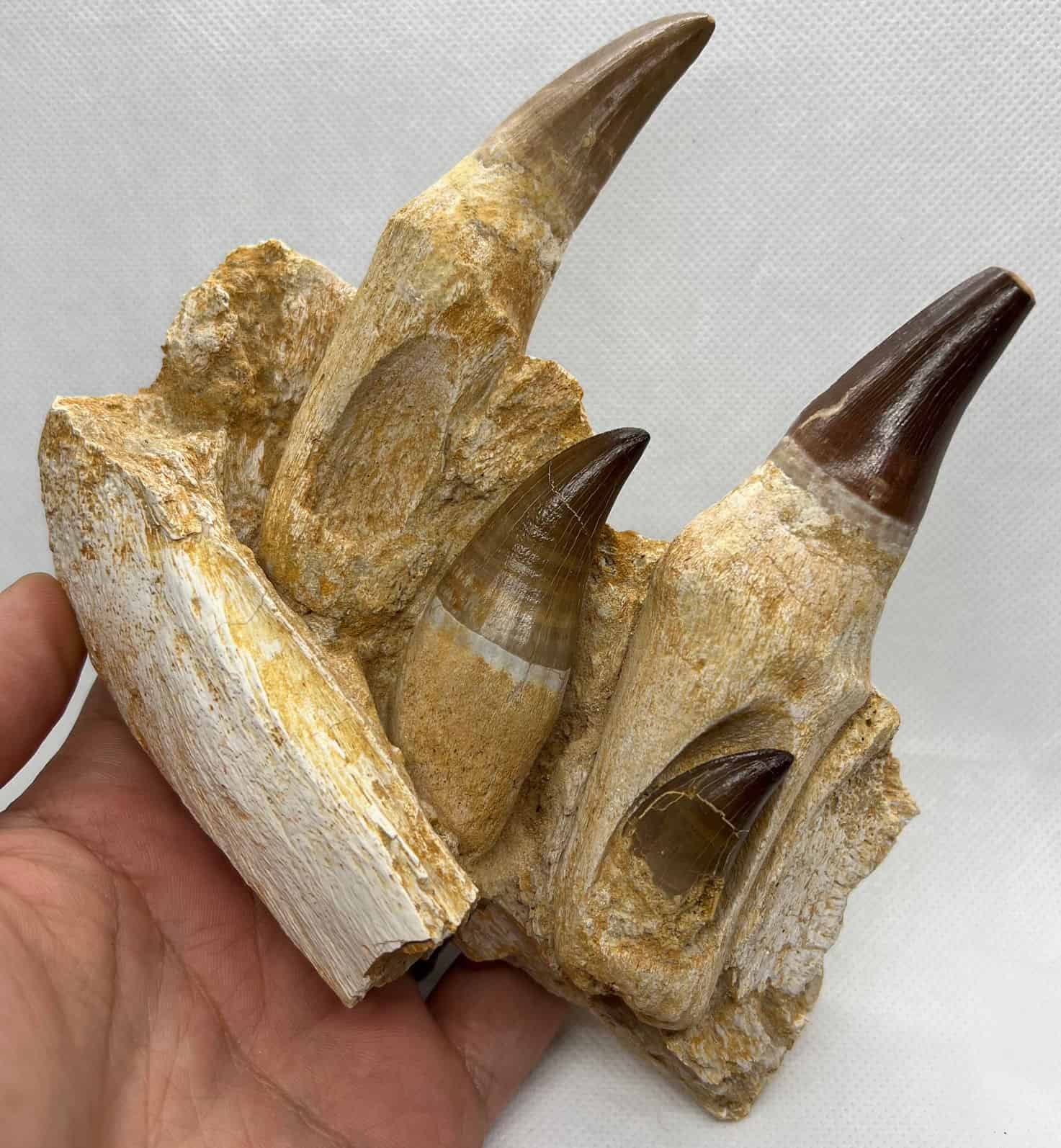
Mosasaurs were aquatic predatory reptiles related to modern monitor lizards that dominated the seas and oceans of the Late Cretaceous. Their tooth characteristics varied among species, but shared features included adaptations for cutting prey, prismatic surfaces and two opposing cutting edges. Mosasaurus teeth were generally large and robust, except in M. conodon and M. lemonnieri, which had more slender teeth. Cutting-edge morphology also varied: M. hoffmannii and M. missouriensis had fine serrations, whereas M. conodon and M. lemonnieri lacked serrations entirely. The cutting edges of M. beaugei were neither serrated nor smooth, instead bearing minute wrinkles known as crenulations.
Mosasaurus species had four tooth types, classified according to the jaw bones in which they were positioned. The upper jaw contained premaxillary, maxillary and pterygoid teeth, while the lower jaw contained dentary teeth. From front to back, the upper jaw had two premaxillary teeth, 12–16 maxillary teeth and 8–16 pterygoid teeth; the lower jaw contained 14–18 dentary teeth. The teeth were largely uniform in size and shape (homodont), apart from the smaller pterygoid teeth in the central region of the upper jaw.
Mosasaurs had thecodont dentition, with tooth roots deeply anchored in the jawbone. Teeth were continuously replaced: a replacement tooth developed within the root of the existing tooth and subsequently pushed it out of the jaw. Chemical studies of a fossil M. hoffmannii tooth measured an average odontoblast deposition rate of up to 10.9 micrometres (0.00043 inches) per day. Odontoblasts are the cells responsible for dentine formation. This rate was assessed using von Ebner lines, daily growth increments in dentine. The estimated development times were approximately 511 days for odontoblasts and up to 230 days for dentine to reach the stage of a fully mature tooth.
Plesiosaur
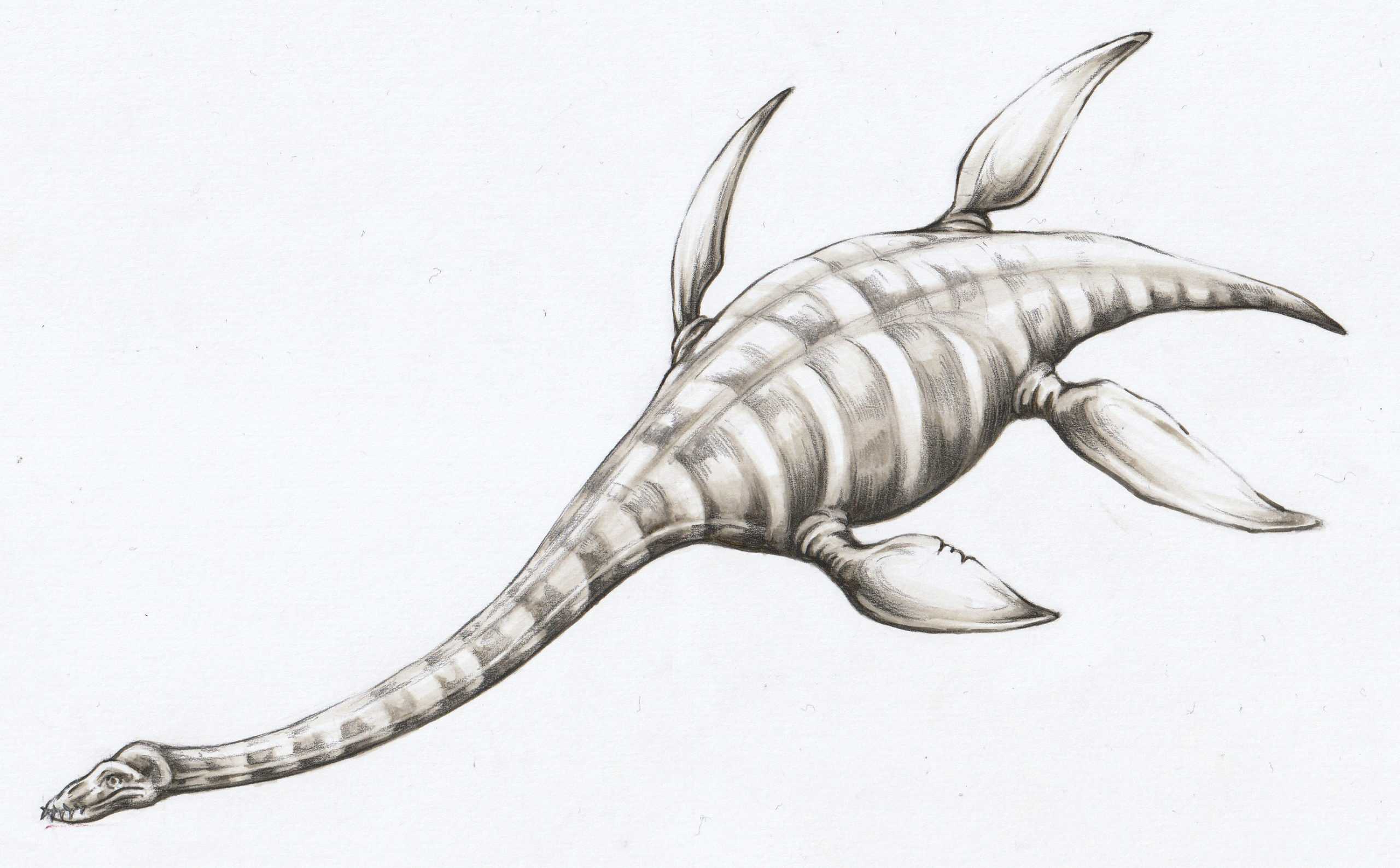
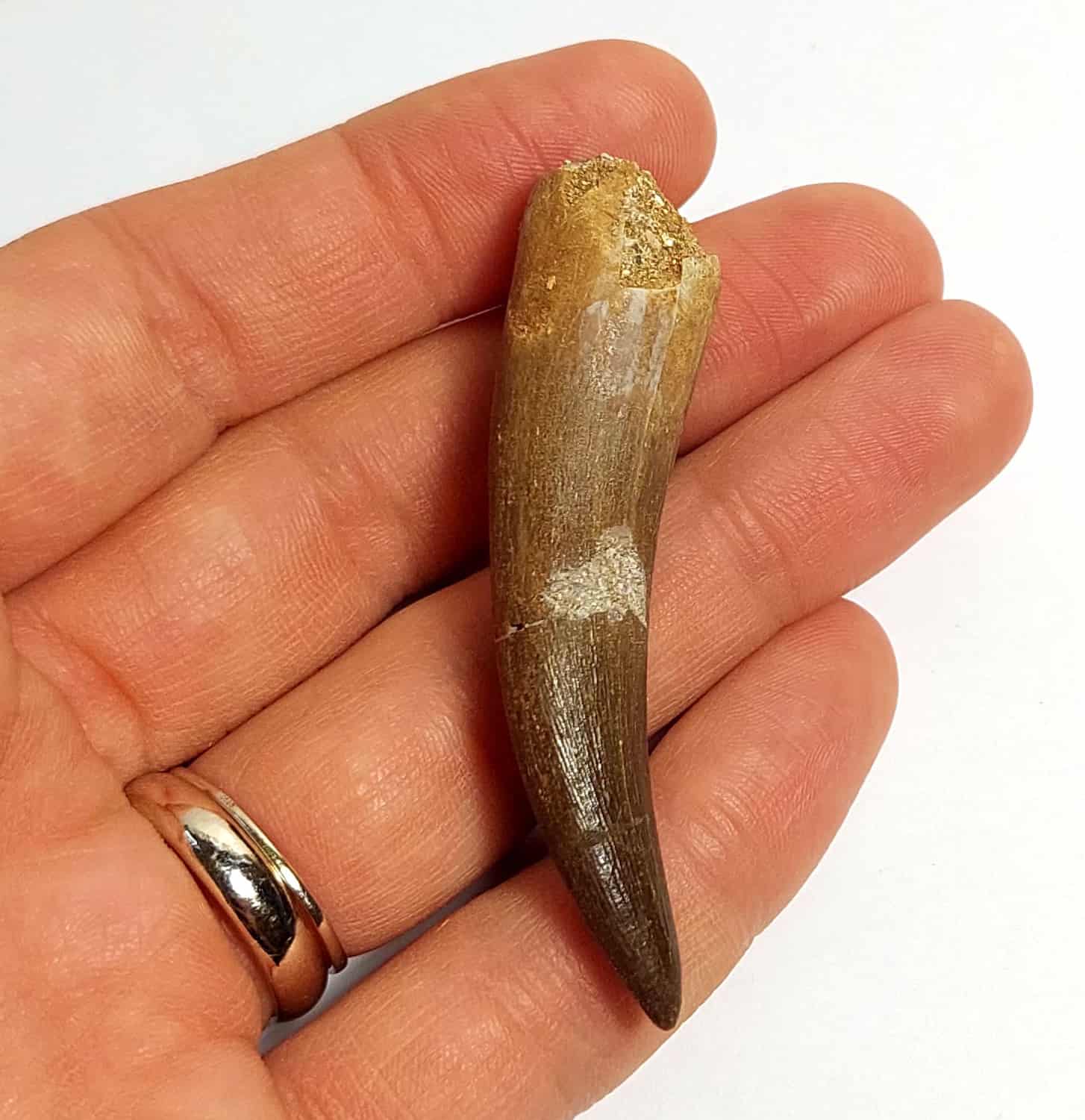
Plesiosaurs were long-necked aquatic predatory reptiles that lived from the Late Triassic to the end of the Cretaceous. Their teeth were generally simple, needle-like cones, slightly curved and circular in cross-section. The teeth were sharp, with fine striations extending from the tip towards the base, and were directed forwards.
Plesiosaurs had 20–25 teeth in the upper jaw and approximately 24 in the lower jaw. Up to four lower-jaw teeth occurred in the symphyseal region, where the two lateral halves of the lower jaw meet.
Plesiosaurs fed mainly on marine organisms, including fish, cephalopods and smaller marine reptiles. Their teeth can be divided into two principal categories: anterior, canine-like teeth at the front of the jaw, and smaller posterior teeth at the rear. Anterior teeth had longer replacement intervals and were usually replaced symmetrically on both sides of the jaw, whereas posterior teeth were characterised by shorter replacement intervals and asymmetry. Longer intervals indicate slower replacement and are characteristic of the large, specialised canine-like teeth described in Late Jurassic Plesiosauridae, whose elongated snouts were highly specialised for feeding. Smaller posterior teeth had shorter functional lifespans and therefore faster replacement cycles. The transition from longer to shorter replacement intervals along the jaw is thought to result from a loss of symmetry. These differences probably reflect distinct tooth functions: anterior canine-like teeth were mainly used to capture and kill prey, while posterior teeth processed food.
Pterosaur (Anhanguera sp.)
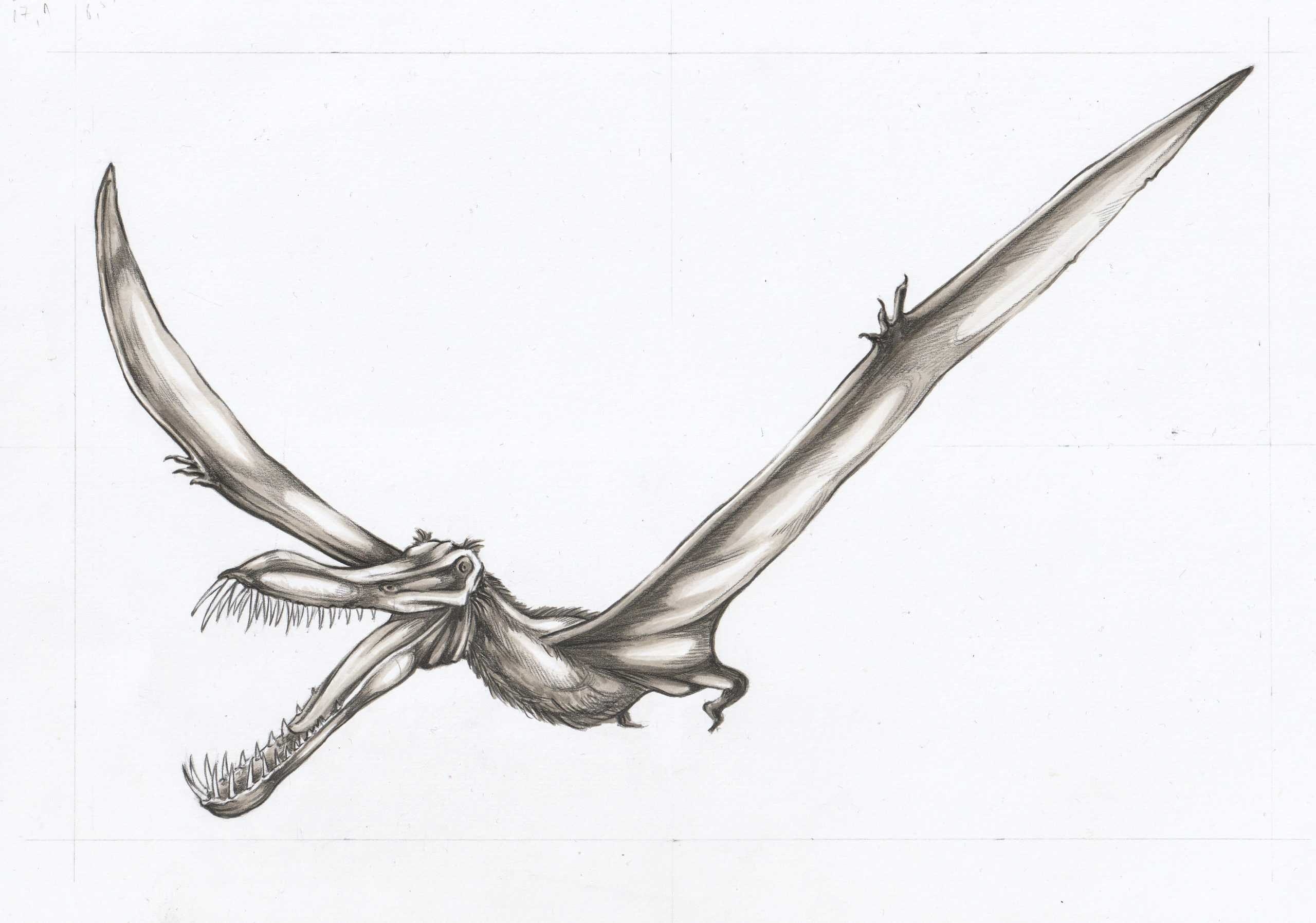
Anhanguera is a genus of Pterosaur that lived in Brazil during the Early Cretaceous (Albian, 125–112 million years ago) and in Morocco during the Late Cretaceous (Cenomanian, 98–93 million years ago). Most pterosaurs lost their teeth during the Cretaceous, probably reducing beak mass and facilitating flight, but Anhanguera retained its teeth. Anhanguera had rounded crests on the upper and lower parts of its beak. Its jaws contained inclined, curved, conical teeth of varying sizes and orientations, adapted for catching fish and other slippery marine animals. Like other reptiles, Anhanguera replaced its teeth periodically throughout life.
Stable isotopes in dinosaur teeth: evidence of migration
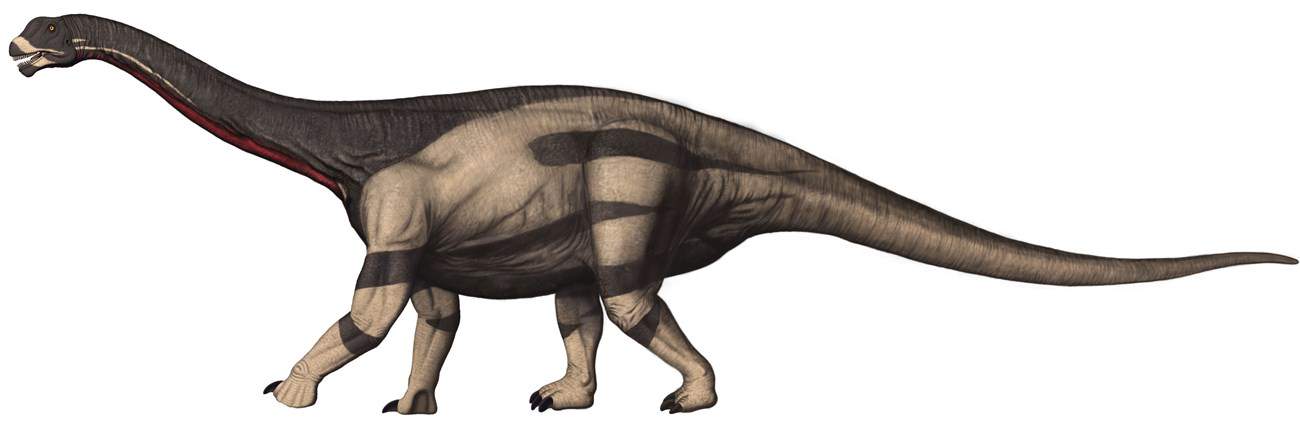
A 2011 study of several sauropod dinosaur teeth collected in the western United States provided important evidence for seasonal migration over medium and long distances.
The study, led by geochemist Henry Fricke of Colorado College in Colorado Springs, USA, used stable oxygen-16 and oxygen-18 isotopes in fossil dinosaur teeth to investigate migration in Camarasaurus. The teeth date to the Late Jurassic (160–145 million years ago) and were collected from the Morrison Basin in Wyoming and Utah.
The researchers measured oxygen-16 and oxygen-18 isotope ratios in tooth enamel and compared them with those in local sedimentary rocks. In vertebrates, oxygen isotope ratios in teeth provide information about the water consumed during life. Sedimentary rocks also preserve isotope ratios characteristic of their depositional environment. If the oxygen isotope proportions in a tooth differ from those in rocks near the fossil’s discovery site, the animal must have occupied a different location when that tooth developed.
The researchers observed precisely this pattern. Some teeth had isotope ratios consistent with the sedimentary basin, whereas others contained a much lower proportion of oxygen-18, suggesting that the animals had spent time at higher elevations. Oxygen-18 levels are lower at higher elevations because the heavier isotope is removed from clouds in rainfall as the clouds rise and cool. Camarasaurs from the Morrison Basin must have migrated at least 300 km between the basin and the western uplands, according to Fricke.
Dinosaur migration during life
In the same study, the researchers analysed several dinosaur teeth from their bases to their tips. The earliest enamel, at the tooth bases, indicated a high-elevation environment similar to a mountainous setting. By contrast, the more recently formed enamel near the tips indicated a sedimentary basin environment.
This pattern suggests that the dinosaur migrated from the basin to upland areas as its teeth developed. Because the animal was found in the basin, it must have returned there at some point, potentially during a seasonal migration.
Conclusions
Dinosaur teeth are among the most widely collected fossils from the history of life on Earth. Their durable internal structure and mineral composition make them relatively common in palaeontological collections. In addition to being comparatively easy to find and collect, these teeth have considerable scientific value. Studies of dinosaur teeth provide detailed insights into the lifestyles of the prehistoric animals that dominated the Earth millions of years ago.
References
- Cressey, D. Tooth chemistry reveals sauropod sojourns. Nature (2011) – https://doi.org/10.1038/news.2011.612
- Fricke, H., Hencecroth, J. & Hoerner, M. Lowland–upland migration of sauropod dinosaurs during the Late Jurassic epoch. Nature 480, 513–515 (2011) – https://doi.org/10.1038/nature10570
- Hu, J., Forster, CA, Xu, X., Zhao, Q., He, Y., & Han, F. (2022). Computed tomographic analysis of the dental system of three Jurassic ceratopsians and implications for the evolution of tooth replacement pattern and diet in early-diverging ceratopsians. eLife.11: e76676 DOI: 10.7554/eLife.76676
- Judyth Sassoon, Davide Foffa, Ryan Marek – Dental ontogeny and replacement in Pliosauridae. (2015) – https://doi.org/10.1098/rsos.150384
- Jean-Paul Billon-Bruyat, Jean-Michel Mazin & Joane Pouech – A stegosaur tooth (Dinosauria, Ornithischia) from the Early Cretaceous of southwestern France (2010) – https://doi.org/10.1007/s00015-010-0028-y
- Nicola S. Heckeberg, Oliver WM Rauhut – Histology of spinosaurid teeth from the Albian-Cenomanian of Morocco: Implications for tooth replacement and ecology (2020) – https://doi.org/10.26879/1041
- Wang, CC., Song, YF., Song, SR. et al. Evolution and Function of Dinosaur Teeth at Ultramicrostructural Level Revealed Using Synchrotron Transmission X-ray Microscopy. Sci Rep 5, 15202 (2015) – https://doi.org/10.1038/srep15202
- https://oatuu.org/triceratops-teeth-a-fascinating-look-into-the-dentition-of-this-mighty-dinosaur/
- https://mediarelations.uwo.ca/2020/04/23/dinosaur-tooth/
- https://palaeo-electronica.org/content/2019/2806-dental-features-in-theropods
- https://palaeo-electronica.org/content/2011-11-30-22-01-23/3210
- https://www.nps.gov/dino/learn/nature/camarasaurus-lentus.htm
