Edmontosaurus were among the largest dinosaurs of their time and some of the last non-avian dinosaurs to exist. The characteristic "duckbill" of these dinosaurs makes them easily recognizable, and the large number of fossils found has provided the opportunity to learn a lot about this extinct genus.
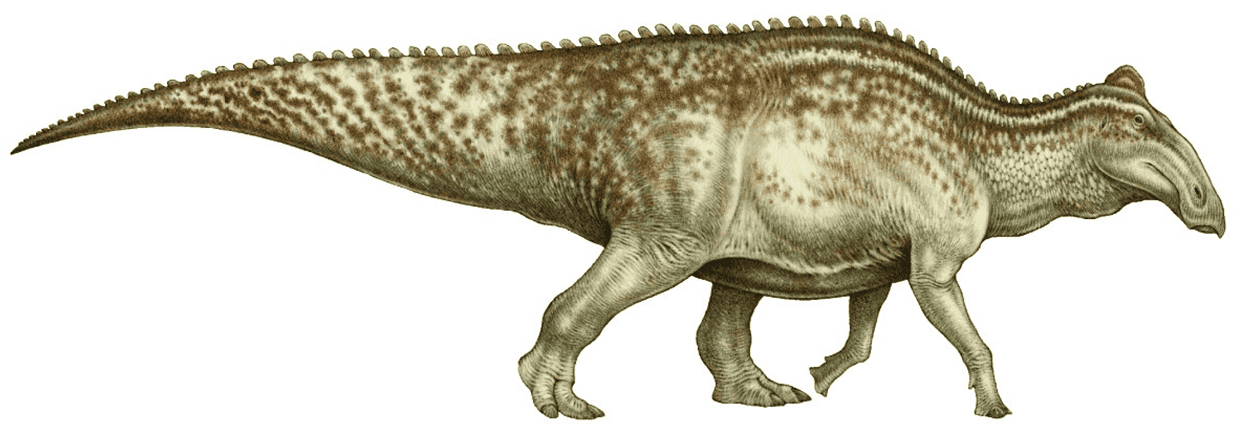
Edmontosaurus (Latin for “reptile from Edmonton”) is a genus of herbivorous dinosaurs in the family Hadrosauridae, of Late Cretaceous age (73-66 million years). The genus Edmontosaurus is represented by two of the largest species of herbivorous dinosaurs that existed during the Cretaceous period. The two species are: Edmontosaurus annectens (up to 11 metres in length and approximately 6 tonnes in mass) and Edmontosaurus regalis (up to 12 metres in length and approximately 7 tonnes in mass).
Fossils of these prehistoric animals occur in North America, in the United States and Canada, particularly in regions renowned for their fossil-bearing Cretaceous deposits, such as Alberta, Montana and Wyoming.
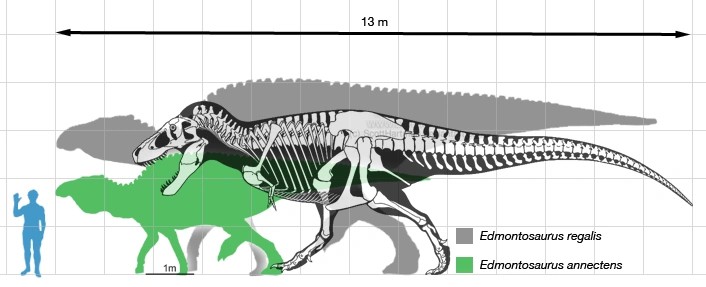
Physical characteristics of the genus Edmontosaurus
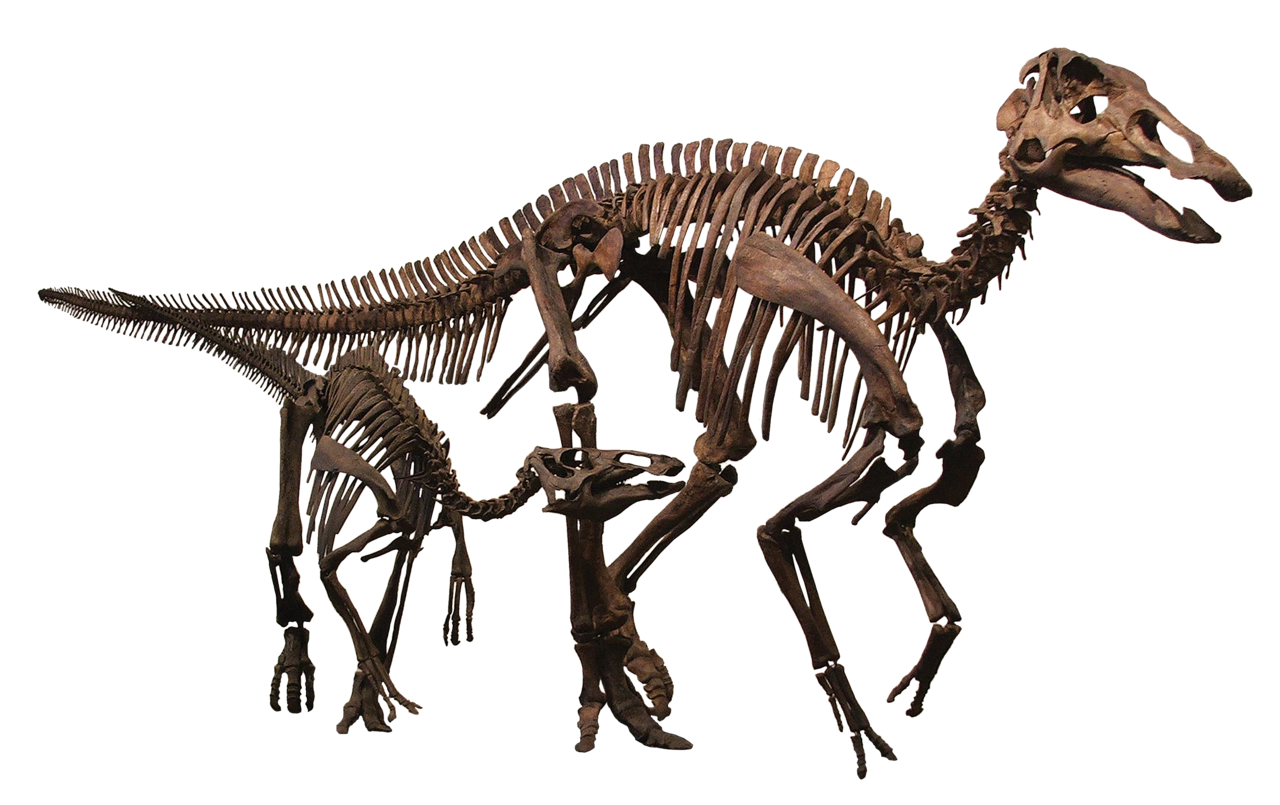
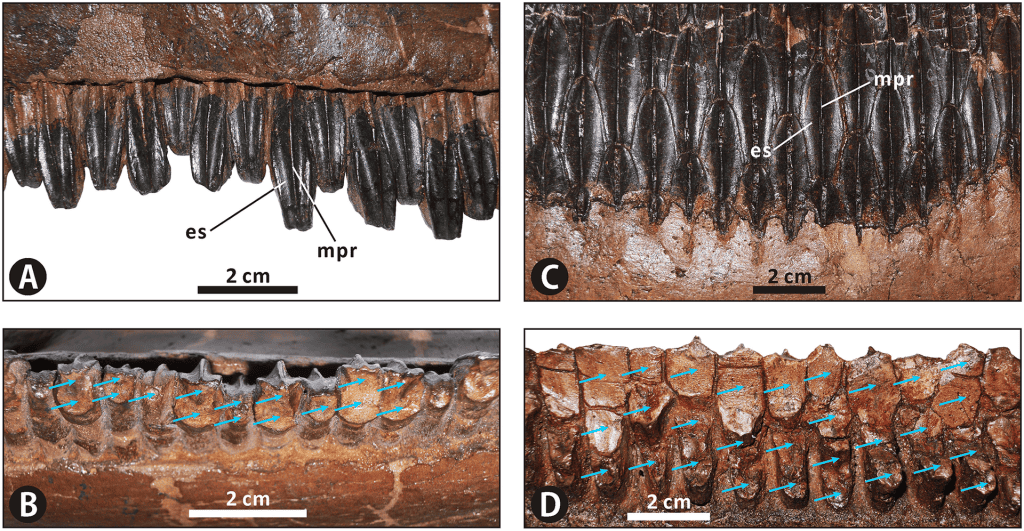
The abundance of fossil discoveries has provided a detailed understanding of the physical characteristics of these herbivorous dinosaurs. Edmontosaurs had a characteristic duck-shaped bill (duck bill), thought to have helped them strip tough vegetation, which they then chewed using teeth highly specialised for processing this food. The teeth moved against one another, grinding plant material. As they wore down, they were continually replaced, approximately every six months.
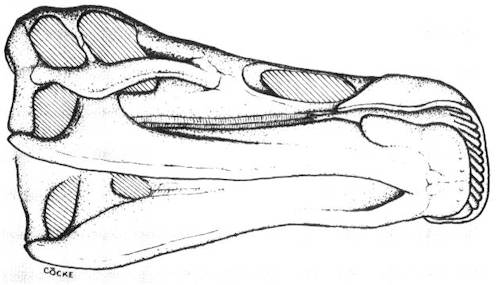
Another important characteristic of these large Cretaceous herbivores is that they had a soft crest similar to that of modern birds. According to Bell et al. 2014, this crest may have had a similar role to that of modern birds, namely social behavior and sexual selection. It is noteworthy that the first discovery of the preservation of a soft tissue structure from a dinosaur was a fossil of E. regalis, specimen UALVP 53722 from the Wapiti Formation (Alberta, Canada).
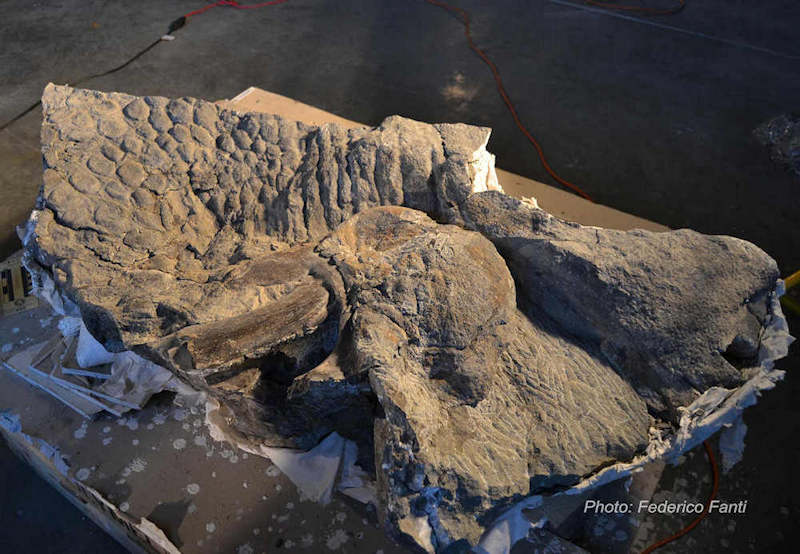
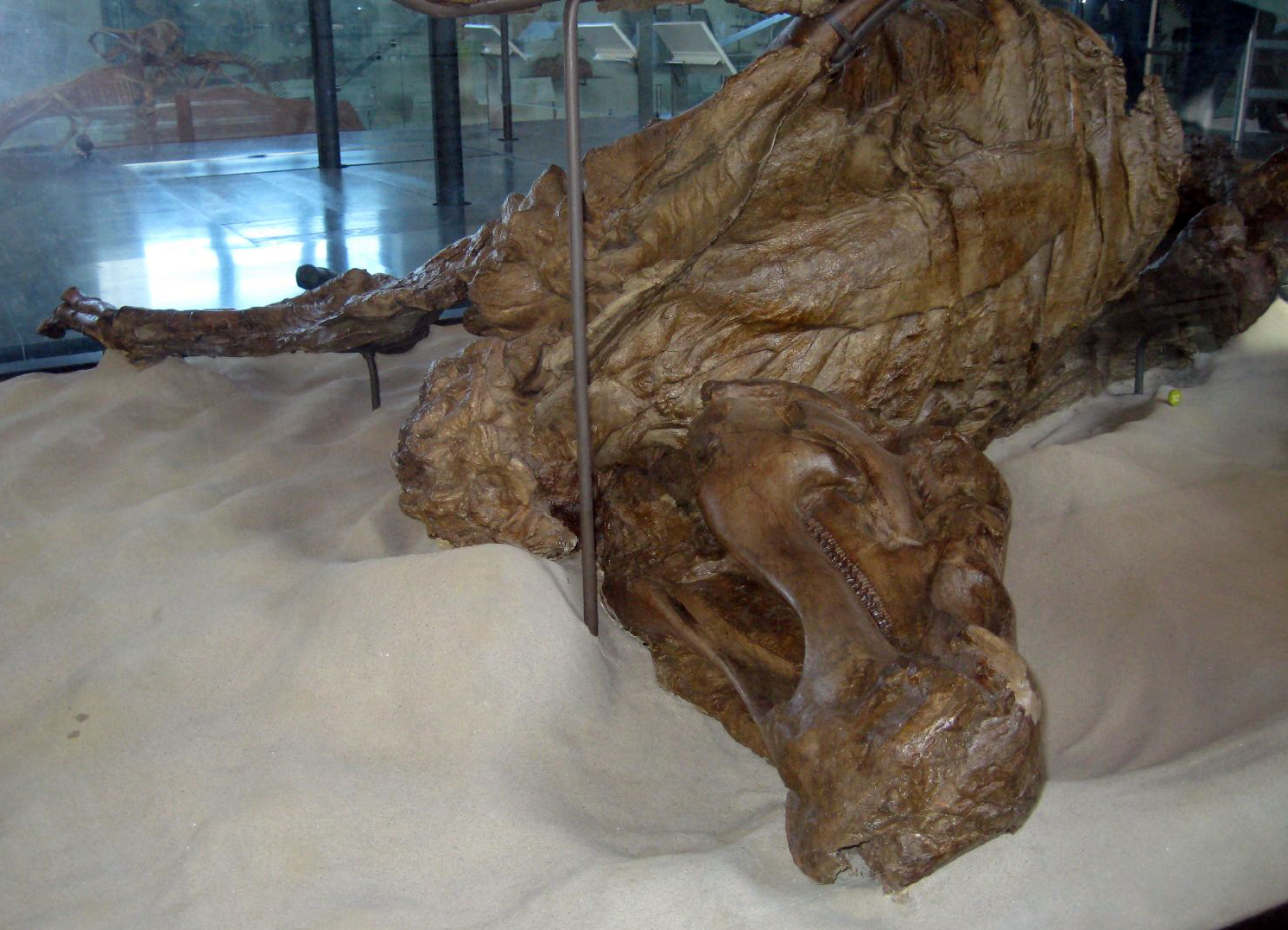
Edmontosaurs, like other members of the family Hadrosauridae, had thick skin that probably evolved to provide protection against predators. Their skin also displayed varied scale patterns. This has led to the suggestion that these Cretaceous herbivores may have had different colour patterns that aided camouflage. A representative specimen is the so-called “Trachodon mummy”, an edmontosaur fossil with preserved soft tissues, skin and muscle.
After studying this herbivorous dinosaur in detail, researchers have come to a unanimous conclusion regarding its mode of locomotion. All evidence points to the idea that Edmontosaurus were bipedal dinosaurs that could move at speeds of up to 45 km/h, even faster than a Tyrannosaurus.
Social characteristics of the genus Edmontosaurus
Because many fossils of Edmontosaurus have been found together, researchers infer that these dinosaurs lived in groups and probably had complex social interactions. They may also have been migratory, but the evidence remains inconclusive.
Conclusions
Dinosaurs of the genus Edmontosaurus were among the last non-avian dinosaurs to live shortly before the Cretaceous-Paleogene Extinction, which occurred about 66 million years ago. Edmontosaurus is perhaps the most studied genus of dinosaurs in the Hadrosauridae family. The fact that we have so much evidence left over time has helped research and brought valuable information to the understanding of this herbivorous dinosaur from the Cretaceous period.
References
- Bell PR, Fanti F, Currie PJ, Arbour VM. (2014) A mummified duck-billed dinosaur with a soft-tissue cock's comb. Current Biology. 24: 70-75. pmid: 24332547 DOI doi.org/10.1016/j.cub.2013.11.008
- (2017) Supplementary cranial description of the types of Edmontosaurus regalis (Ornithischia: Hadrosauridae), with comments on the phylogenetics and biogeography of Hadrosaurinae. PLoS ONE 12(4): e0175253. https://doi.org/10.1371/journal.pone.0175253
- Morris, W.J. (1970) Hadrosaurian dinosaur bills – morphology and function. Los Angeles County Museum, Contributions in Science. 193, 1-14.
- https://www.krtv.com/news/montana-and-regional-news/dinosaur-find-near-jordan-will-provide-research-opportunities?fbclid=IwAR0OlTMH59vXEPjm-JZhYuszlrDydv3ua_nogZ0sl9VdgBLXbm6P0MaMkUY
- https://www.fossilguy.com/gallery/vert/dinosaur/edmontosaurus/index.htm
- https://journals.plos.org/plosone/article?id=10.1371/journal.pone.0275240

Very informative and well-pointed.