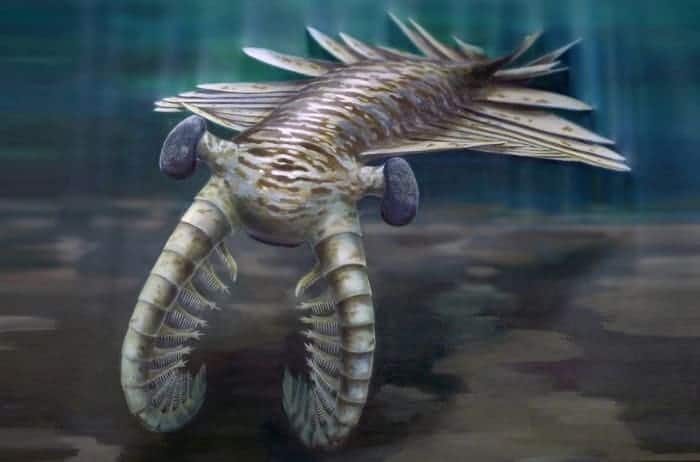
Approximately 515 million years ago, during the Cambrian, Anomalocaris was a major marine predator. This early relative of modern arthropods could reach one metre in length and is considered one of the earliest known apex predators. The Cambrian saw the emergence of diverse and unusual […]
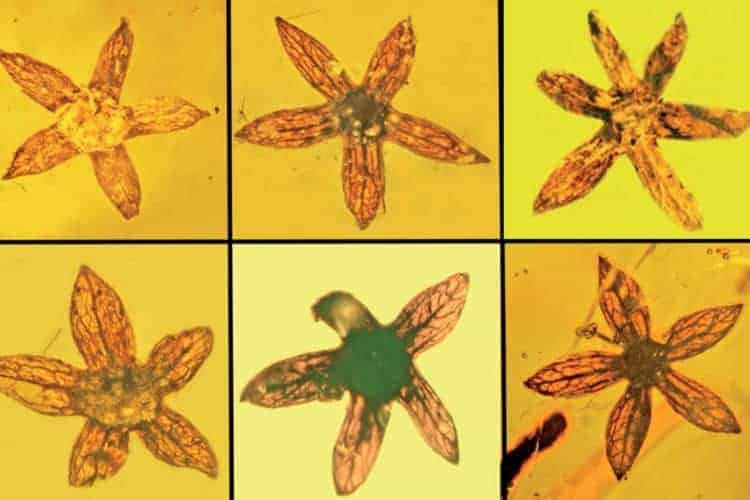
A piece of approximately 100-million-year-old amber from Myanmar, studied by Professor George Poinar Jr., preserved flowers from the Cretaceous. These specimens provide early evidence of sexual reproduction in flowering plants. A […]
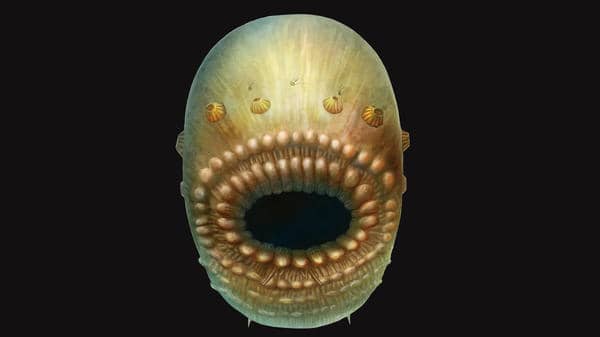
A microscopic fossil discovered in China was initially interpreted as a possible early relative of humans. The aquatic animal resembled a rounded sac covered by a thin outer layer. Understanding the evolutionary origins of humans remains a recurring scientific question. […]
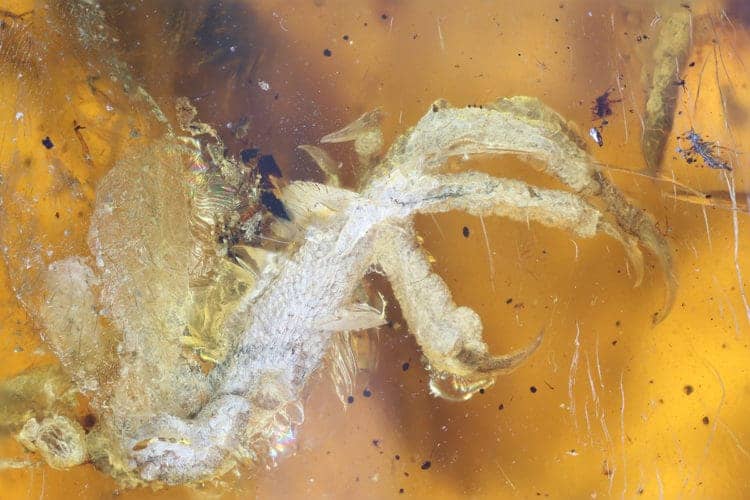
Following the discovery of a dinosaur tail preserved in amber, palaeontologists identified a bird fossil in approximately 100-million-year-old amber. It was described as the most complete specimen of its kind, providing a detailed glimpse into the past. Fossils excavated by palaeontologists […]
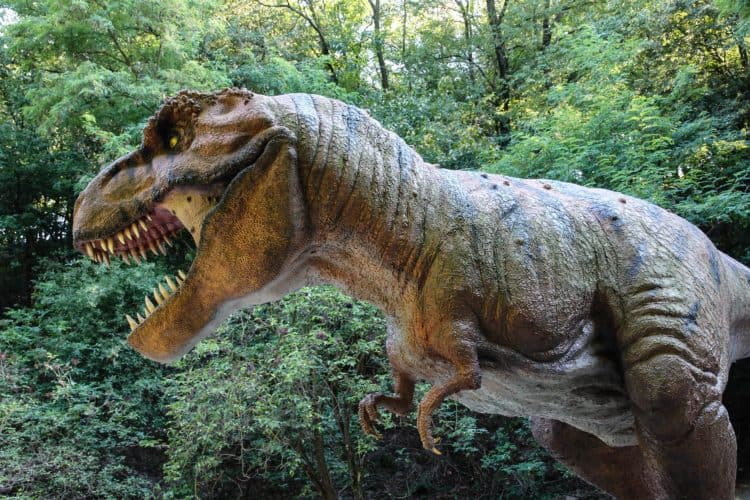
For decades, scientists have sought to determine the appearance of Tyrannosaurus rex. Did it have scaly skin, or was it covered in feathers like Velociraptor? Recently discovered skin impressions provide evidence relevant to this question. […]
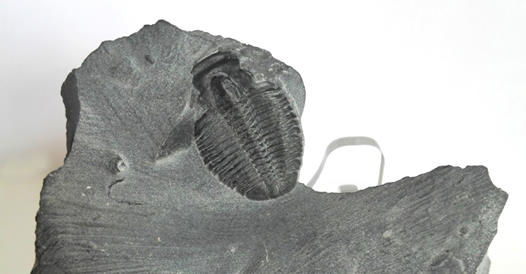
Elrathia kingii is a trilobite species commonly found in the Wheeler Formation of Utah, USA. It is a medium-sized trilobite, with large specimens measuring approximately 4–5 cm in length, and lived during the Cambrian, around 500 million years ago. Like all trilobites, it was a marine arthropod that inhabited […]
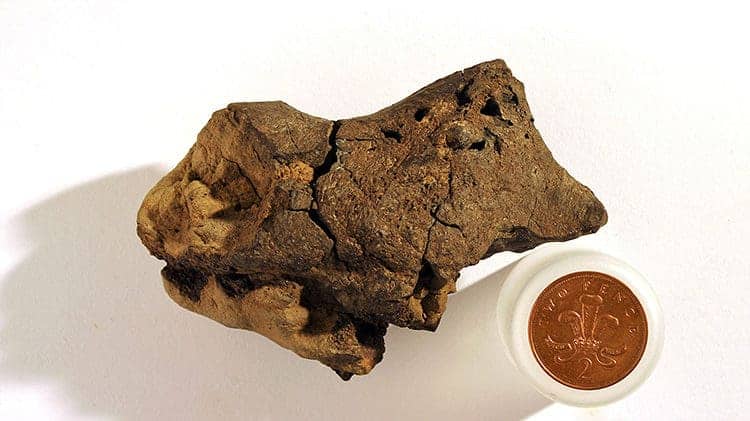
British and Australian researchers identified what was described as the first known fossilised dinosaur brain tissue. The fossil was discovered in Sussex, England, in 2004, but its significance was recognised more than a decade later. […]

Chinese palaeontologists described a dinosaur tail exceptionally well preserved in amber. The specimen is estimated to be more than 99 million years old. On 9 December 2016, CNN reported the discovery, which attracted international attention as a significant palaeontological find […]
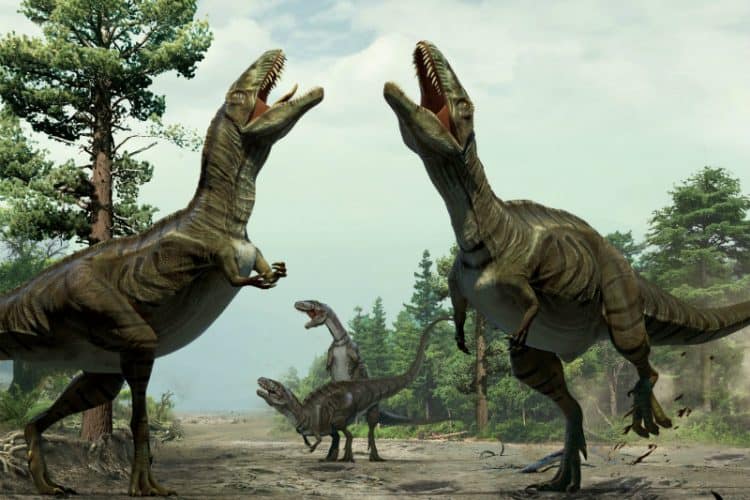
The year 2016 yielded numerous significant palaeontological discoveries relating to dinosaurs, from newly described species to fossilised brain tissue and a dinosaur tail exceptionally well preserved in amber. These findings offered new insights for those interested in prehistoric life […]

Life on Earth has changed considerably through geological time. Compared with the many millions of years of Earth’s history and the succession of species that have inhabited it, human society is relatively recent. Palaeontology is the science that studies past life. […]
